The Most Important Steps for Dealing with Tough Choices
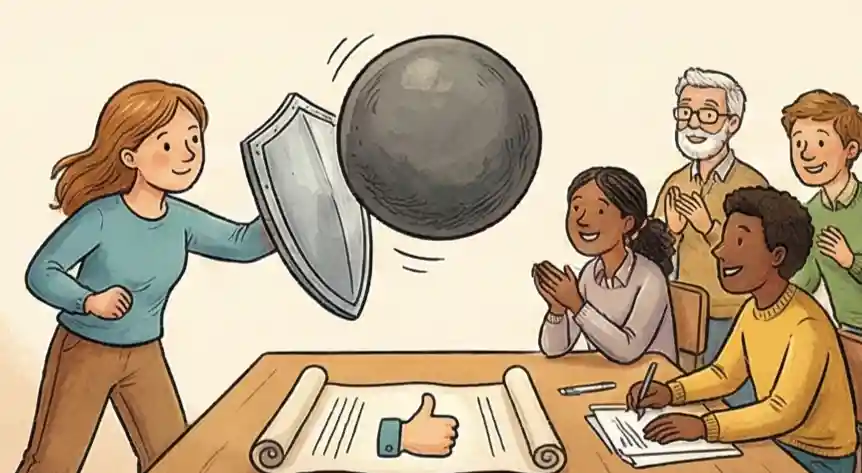
Instead of calling something "not right," explain what money the company might lose, what fines they could face, or how the company's reputation could be damaged. This makes you look like someone protecting the company's success, not just someone complaining.
It's easier to stand up for what's right when you aren't worried about losing your job. Always save your proof and talk to recruiters outside your company before you say anything. Having a backup plan gives you the calm assurance to stick to your guns without panicking.
Present your concerns as a way to prevent a major problem for the company later, rather than blaming the current managers. When you show up as someone trying to protect the company's image, people see you as a valuable team member, not someone who might cause legal trouble.
Handling Real Business Situations
Handling ethical dilemmas at work means shifting from moral arguments to business-risk arguments. Instead of saying something feels wrong, explain the financial and reputational cost of continuing. That reframe protects both your integrity and your career.
Many people think the company rule book is their main protection. This is the "HR Hero" mistake, believing that the company's process is always fair and meant to protect those who speak up. It often isn't. In tough corporate jobs, just following the rules doesn't make you a hero; it might make you a target.
The stakes are real. According to a 2024 Institute of Business Ethics survey, 43% of American employees worried that speaking up would put their job at risk. Among those who did raise concerns, about half reported facing personal disadvantage or retaliation as a result. When you get upset and focus only on how something is morally wrong, you often end up in "Liability Limbo." Instead of fixing the real issue, the company quietly starts treating you like a legal problem. You might find yourself pushed out of important projects and ignored in meetings, watching your good name disappear while the problem stays the same.
To get back control, you need to stop talking like an employee following the handbook and start talking like a business partner. Reframe ethical problems as "How much money will this cost?" problems and you switch from being a complainer to a protector of company value. That shift, combined with quietly setting up an "Escape Plan," lets you manage the situation your way, keeping your principles without ruining your career.
How to Decide: A Plan for Reducing Risk
As someone who manages technical products, I see making ethical choices like building software: you can have a basic version or a genuinely strong, reliable system.
Here is a comparison of three levels of handling moral issues at work:
Level 1: Following the Rules
If You Are:
Just relying on the employee rule book, HR, and only worrying about what is against the law. You only focus on not breaking any current rules.
Your Action Now
Staying Safe: This protects your job and avoids legal trouble when the right answer is straightforward.
Level 2: Smart Thinking
If You Are:
Writing things down, asking trusted people for advice, and thinking about how the decision affects everyone involved (customers, team, and company).
Your Action Now
Building Trust: This shows you are reliable and base decisions on facts, not feelings alone.
Level 3: Shaping the Culture
If You Are:
Focusing on creating systems that let people give feedback easily and safely, and changing rules to stop the source of ethical problems from happening again.
Your Action Now
Strong Leadership: You build a place where speaking up is welcomed, stopping small mistakes from turning into big company problems.
How to Pick Your Level
Guide:
- Pick Baseline: If you are new and still learning the company's ways.
- Pick Professional: If your choices affect budgets, product plans, or team work (for mid-level jobs).
- Pick Mastery: If you are a leader or want to be known for building the company's long-term values.
The Integrity Compass Guide
To handle hard moral choices while keeping your professional reputation safe, use The Integrity Compass Protocol.
Check Your Own Values
Figuring It Out
First, check the situation against your own moral beliefs and the company's written rules to be sure a line is actually being crossed.
Get a Second Opinion
Getting Clarity
Talk about the situation with a mentor or a trusted coworker who is not involved to confirm what you think is happening and see other possible views.
Solve It Directly
Taking Action
Raise your concerns with the right people using "I feel" statements that focus on the long-term good of the company, instead of blaming any specific person.
These three steps work together in order: first, make sure it matches your values; second, check it with someone neutral; and third, talk about it professionally to fix the problem while keeping your good standing.
The Action Plan Sprint
When you run into trouble at work, choosing the right words turns a fight into a smart move. This plan shows you exactly how to change common arguments into actions that show you add value.
The Moral Trap: Telling people something is "wrong" or "unfair," which makes you look like an emotional person who can't handle stress.
The Audit Reframe: Change the ethics problem into a money problem. List the exact costs: potential fines, losing customers, or wasted money.
The HR Blindspot: Thinking HR will always back you up and telling them everything without a safety plan.
The External Log: Keep a timeline and proof on your personal devices. Contact three outside recruiters to start building your "Escape Route" before you complain internally.
The Liability Label: Management starts seeing you as someone who will sue or cause trouble because you spoke up.
The Asset Pitch: Present yourself as the "Early Warning System." Explain how fixing this will save the company's image and money from future disasters.
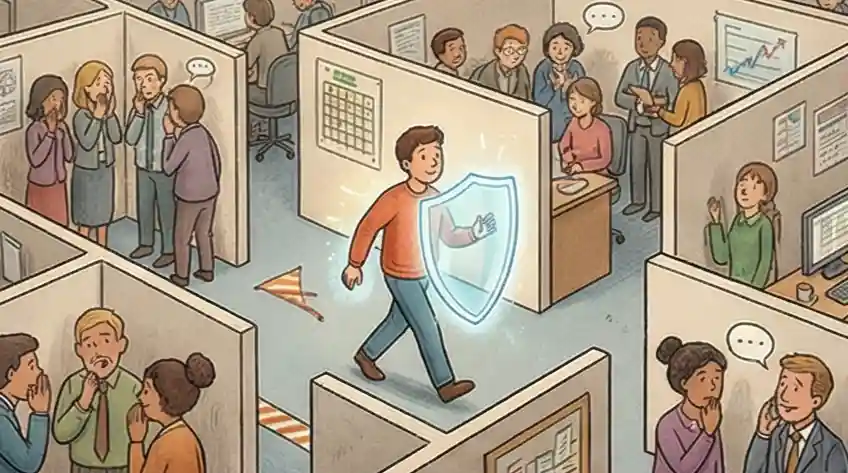
The Quiet Sidelining: You are suddenly not invited to meetings or put on important projects after you brought up an issue.
The Paper Trail: Send summary emails after every meeting. Specifically mention the business risks you brought up so they can't pretend they didn't hear you.
Your 60-Minute Plan for Ethical Response
Do these steps the moment you see something that tests your good morals. Taking these first steps quickly makes sure you handle the problem the right way and protect your job.
Record exactly what happened: the date, time, and who was there. Only write down what you objectively saw or heard, not your personal feelings or guesses.
Look up the company's official rules on ethics to see if there is a clear policy about this. Knowing the official rules gives you a strong basis before you say anything.
Talk privately to a senior person or mentor who is not involved. Ask for their view to make sure you are seeing the facts correctly and not overreacting.
Set up a formal meeting with your manager or HR. State the facts clearly, explain why it is a concern for the business, and offer to help fix it.
After your meeting, send a quick "thank you" email summarizing what you talked about and any steps you both agreed on. This proves you acted correctly and followed the steps.
Improve with Cruit
To Keep Proof
Note-Taking ToolSafely write down events without distractions, use the AI Coach to think through what happened, and create professional summaries of your talks.
For Smart Plans
Career Advice ToolChange worries into a "Business Value Pitch" by using the Socratic Mentor to find blind spots and turn moral problems into actual money risks.
For Safety
Connecting with PeopleBuild your "Escape Route" by keeping up external contacts confidently with the AI Networking Helper giving you ideas for messages.
Common Questions About Morals at Work
"The employees who survive ethical crises at work are rarely the loudest voices in the room. They are the ones who learned to translate moral arguments into financial consequences." — Amy Edmondson, Novartis Professor of Leadership and Management, Harvard Business School
Should I speak up if the ethical issue involves my direct supervisor?
Yes, but don't make it a personal fight or just about what's "right vs. wrong." If you act like the "HR Hero" and just say they are a bad person, you risk being quickly treated like a "Liability."
Instead, focus on how their actions create a "Business Risk." If they are skipping steps on a project, show how that could lead to a future lawsuit or losing a big client. Frame it as protecting the company's money and you look like a smart helper, not just an employee who is unhappy with their boss.
What if the unethical behavior is making the company money right now?
This situation is genuinely dangerous. Leaders often ignore moral issues when they see short-term profits.
To be heard, you must show the "hidden costs." Figure out how this quick money leads to future problems, like fines, bad brand image, or staff quitting. If the leaders choose short-term profit after you show them the facts, it's a sign the system is broken. In that case, stop trying to fix the culture and focus on building your "Escape Route."
What if I already told HR and now I'm being left out of meetings?
This means you are likely in "Liability Limbo." The company now sees you as a legal risk they need to control, not an employee they need to help.
To change this, stop pushing for a moral solution. Immediately switch your focus to high-value tasks that affect the company's income. Keep track of your successes and how your work protects company assets. At the same time, speed up your "Escape Route" plan — your main goal is to move to a new job before your reputation gets worse. For a step-by-step approach to managing workplace conflict, read our guide on how to handle coworker conflict professionally.
Is it better to report ethics violations internally or externally?
Start internally. Escalate only if internal channels fail or retaliation begins. Going straight to a regulator or the press signals to leadership that you have bypassed the team entirely, which tends to accelerate the "Liability Label" problem.
Before reporting anywhere, document everything on personal devices. Know your legal protections — federal whistleblower laws cover many industries, and knowing your rights changes how much leverage you actually have.
How do I protect my job while speaking up about ethics?
Build your "Escape Route" before you say anything. That means updating your resume, connecting with outside recruiters, and saving evidence on personal devices. When you have options outside your current job, you stop panicking during the conversation and start negotiating from strength.
Also reframe how you set healthy work boundaries more broadly. The same logic applies here: protecting yourself professionally is not selfish, it is what makes sustained integrity possible.
Leading with Smart Morals
Choosing not to be the "HR Hero" doesn't mean being quiet; it means making sure people listen to you. When you stop depending on the rule book to save you, you avoid getting trapped and isolated professionally. Real good morals at work mean switching from angry complaints to focusing on "Business Risk." By talking about money, loss, and keeping operations safe, you protect the company’s value while also protecting your career. Get your "Escape Route" set up now so you never have to give up your values because you are scared. Take charge like an expert: check the risk, protect the money, and make your next move with full confidence.
Get ConfidentFurther Reading
Navigating Office Politics Without Compromising Your Integrity

How to Address Gaps in Your Employment History