Cover Letter Plan
-
01
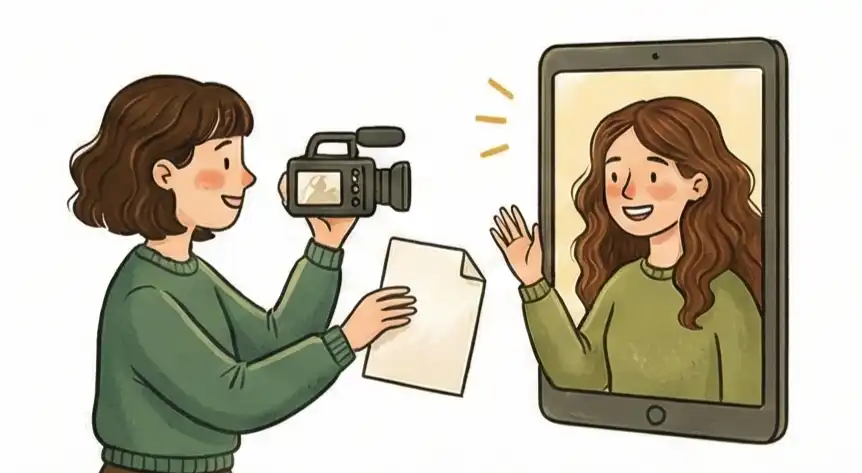
The Number-Story Link Use the cover letter to take one plain number from your resume and turn it into a short story that shows you can achieve that same good result somewhere new.
-
02
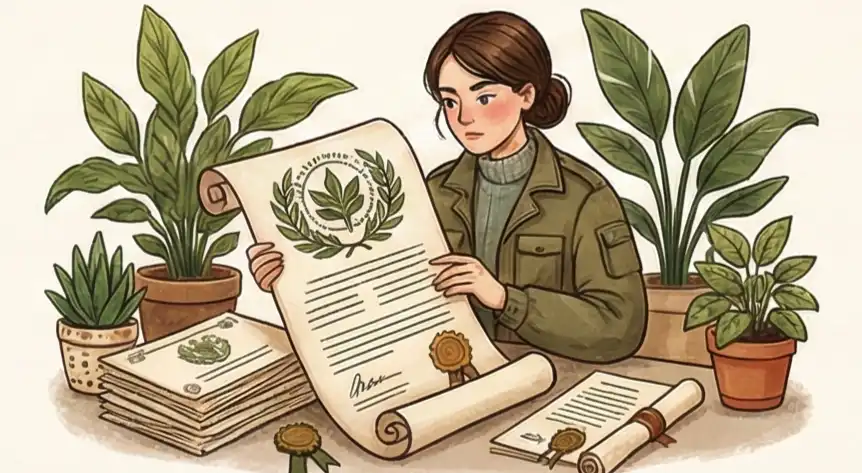
The Proof Reminder Mention a specific job or project from your resume in the cover letter to help the recruiter find your best proof points quickly.
-
03
The Meaning Translator The cover letter should act as a guide, explaining how the technical things you did in the past directly solve the current problems listed in the job opening.
-
04
The Look Ahead While the resume shows where you have been, the cover letter must show how those past skills will be used for the company's goals going forward.
The Way Forward Shift
The blinking cursor stares at you from the blank page. You look at your resume (a simple list of jobs and skills), then back at your letter draft. You are stuck repeating yourself, just adding phrases like "I worked on" or "I was responsible for" to make it sound like a letter. This is writing the same thing twice, and it feels wrong because you know you are wasting effort.
Most advice tells you to use the cover letter as a shorter version of your resume, but that "short summary mistake" is what makes them boring and gets you passed over. It just repeats what they already see, wasting the only place you have to show your real personality.
The solution is to change your approach: Stop trying to prove you completed tasks in your letter, and start using it to explain the thinking behind your career moves.
What is Resume and Cover Letter Synergy?
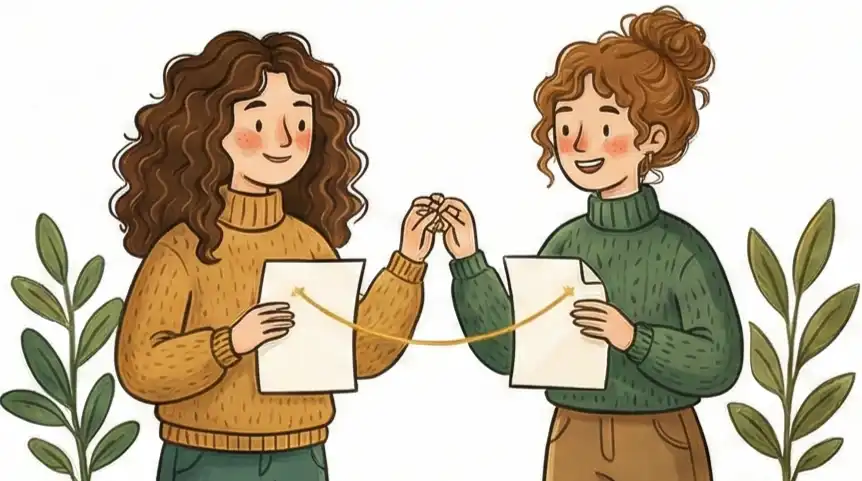
Resume and cover letter synergy is the practice of treating your two application documents as a coordinated pair: the resume proves your qualifications with facts, while the cover letter explains the thinking behind those facts, connecting your past achievements to the employer's specific current needs.
Most job seekers write both documents in isolation, resulting in a cover letter that just restates the resume. When the two documents work together, each one has a clear and separate job. The resume is a record of what you accomplished. The cover letter is your argument for why those accomplishments matter to this particular company right now.
According to Zety's 2024 hiring manager survey, 87% of employers consider cover letters when deciding which candidates to invite for interviews. Yet the same research found that 81% of hiring managers have rejected applicants after reading their cover letters. Writing two documents that contradict or repeat each other is one of the most common reasons for that rejection.
How Cruit Helps Your Documents Tell One Clear Story
To Spot Issues
Job Check ToolCompares job needs with your resume to find what's missing and suggests what you need to fix.
To Match Up
Resume AdjusterUses smart conversation to help you change your skill words to match the exact needs and language in the job posting.
To Keep Proof Ready
Story LogKeeps a daily record of your work successes, turning tasks into well-worded stories you can use in your letter anytime.
Frequently Asked Questions
Will the hiring manager be confused if my letter doesn't summarize what's on my resume?
No. Recruiters check your resume quickly to confirm you have the right skills. When they read your cover letter, they already know what you did; they now want to know why you did it and how you approach problems. A summary repeats information; a story reveals something new.
If I focus on 'thinking' instead of 'proof,' will I miss important search words?
No. Your resume is the document meant to pass the computer scans (ATS) and list the facts. The cover letter is for the human reader; it should build a connection between your past achievements and the company's future needs. Use the resume for facts, use the letter for connection.
Should you reference your resume in a cover letter?
Yes, briefly. Naming a specific job title or project from your resume in the cover letter helps the recruiter connect the dots quickly. Something like "In my role at [Company], which you can see on my resume..." gives them a signpost without repeating the detail. The point is to direct, not duplicate.
What should a cover letter include that the resume doesn't?
The cover letter's unique job is to explain motivation and context: why you made a career move, why this specific company appeals to you, and how your past work solves their current problem. Your resume can't explain any of that in bullet points. That gap is exactly what the cover letter fills.
How long should a cover letter be?
Three to four short paragraphs is the standard. The first sets up why you're applying, the second ties your biggest relevant result to their specific need, and the third opens a conversation about next steps. Keep it under one page. A recruiter who has to scroll has already lost interest.
Does every job application need a cover letter?
Not always, but the cost of skipping it is higher than most people realize. According to a 2024 Zety survey, 89% of hiring professionals expect cover letters from job candidates. When an application portal marks it "optional," that usually means optional for candidates who have nothing new to say. If you have a relevant story to tell, send the letter.
Related Reading
Don't just follow along.
Your resume lists the goals you hit, but your cover letter explains the vision that got you there. Learning to line them up turns a simple application into a strong argument for why you are the right person for the long haul.
Start Connecting Them