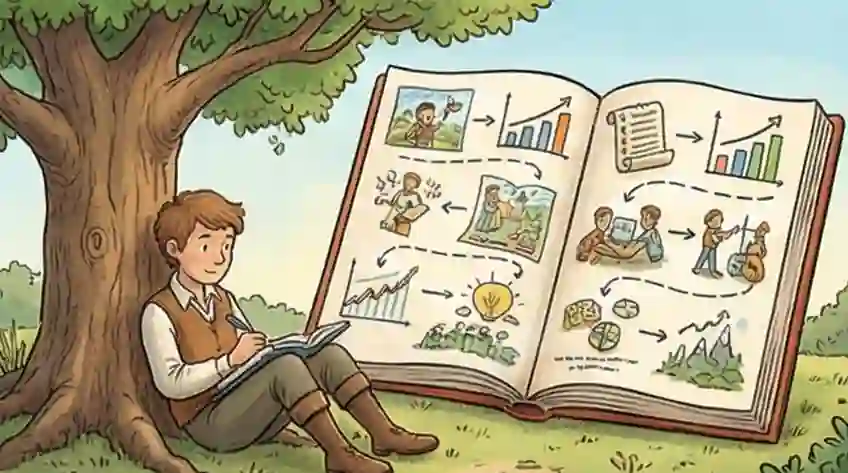
Four Rules for Keeping Your Career Strong Over Time
Look at where your career is going every three months when things are going well, not just when you feel bad. This gives you information to change direction from a position of strength, instead of reacting because you are scared.
Your job title is temporary, but your skills are your real worth. Every six months, learn one important new skill that is not part of your current job duties. This keeps your professional skills valuable even if your industry or job changes.
You today are not the same person you will be in three years. Spend 10% of your week learning something for the job you don't have yet. This helps you prepare for the person you will become, instead of thinking you are done learning.
Don't guess what you are worth; find out for sure. Talk to someone important or have one exploratory interview every three months. This gives you real information on what the job market thinks you are worth right now, so you can adjust your plan right away.
To do well in today's fast-changing world, you must stop seeing your career as a fixed place you stop, and start treating it like an investment that needs to grow.
Check Your Career Momentum
The biggest career mistake today is only thinking about growth when there is an emergency. Most people manage their work lives like a broken GPS—they only look at the map when they are lost, unhappy, or unemployed. This way of reacting treats your experience like a fixed list of things to do, based on the old idea that if you just keep going in a straight line, good things will happen. It makes your talent something a company can use up and throw away, waiting for someone else's approval to change.
The time of staying at one company for many years is over. We are in the Adaptive Era, where staying in the same field for a long time is actually risky. According to Harvard Business Review research covering 70 million U.S. job transitions, the useful life of a technical skill has dropped from roughly ten years in the 1980s to just four years today, with projections suggesting it will fall below two years soon. Industries and technology change faster than schools can teach new things. If your career plan isn't always changing, it is getting worse. You can't just plan for the person you are now; you need to build for the version of yourself that the future market will need.
The new way to be successful is by building Professional Equity. This isn't about your current job title; it's about having proof that you can quickly adjust to new situations. Switching from a fixed plan to a strategy that lives and breathes creates security rather than waiting for it. Growth is not something a company gives you. It is an asset you build when you take full control of where you are going.
What Is Professional Equity?
Professional Equity is the portable, market-recognized value you build through skills, achievements, and adaptability — independent of any single employer or job title. Unlike a fixed résumé, it grows with every new capability you add and every challenge you prove you can handle.
The concept stands in contrast to job security. Job security depends on your employer staying solvent and keeping your role funded. Professional Equity depends only on you. When industries shift, professionals with high Professional Equity move forward rather than scramble.
Building it requires three things: knowing what you currently offer the market, identifying what the market will need in the next two to three years, and closing the gap between the two before it becomes a crisis.
How Career Growth Has Changed: From Fixed to Flexible
The old way of thinking about career steps is being replaced by a new, active approach where the person in charge takes full control of their professional life, constantly matching what the market needs instead of waiting for the company to give directions.
When You Check: Reactive - You only look at your career plan when you are lost, unhappy, or looking for a job.
Who is in Charge: The Company - You wait for your boss or company to give you a better job or tell you how to improve.
How You See Yourself: The Final Version - You think you won't change much later, so you stop learning new things.
What Matters: Job Safety - Your value depends on your current job title and how long you stay in the same area.
When You Check: Proactive - You keep an updated "living map" that you check often, before problems start.
Who is in Charge: You - You treat your career like your own money portfolio that you manage and design.
How You See Yourself: Always Changing - You plan for the version of you in the future, staying ahead of who you are now.
What Matters: Career Flexibility - Your value depends on how fast you can update your skills to fit what the market needs.
The Flexible Career System
To switch from reacting to problems to having a real plan, you need to treat your career like something that is always growing. Use The Flexible Career System to build a professional path that stays ahead of changes and fixes your own mental blind spots.
Part 1
A current list of your skills, achievements, and what gives you power in the market, separate from your job title.
Part 2
A set schedule for watching industry changes and spotting the exact skills you need to stay useful in the modern world.
Part 3
A planning tool to help you build the right connections and knowledge for the person you expect to be in five years, not just the person you are today.
- Your Value Basics: This changes you from checking off a fixed list to seeing your career as a collection of assets. It means you always know your value, letting you ask for what you're worth even when you're happy in your current job.
- The Quick-Check System: Because industries change faster than schools can teach, this routine keeps you from becoming outdated. It forces you to update your career plan often, making sure your growth is based on market needs, not just what your boss decides.
- Planning for Who You Will Be: This system directly fights the feeling that you won't change by making you accept that your future self will have different goals. By planning for the future you, you build a foundation for lasting growth instead of just making today comfortable.
Tools for the Flexible Career System
1. Your Value Basics Journaling Tool
Records your wins as they happen, automatically tagging your skills so you have a searchable list of what you can offer. See why career journaling drives long-term growth →
2. The Quick-Check System Career Exploration
Looks at your resume for skills you can use elsewhere, shows you new paths, and points out the skills you are currently missing.
3. Planning for Who You Will Be Career Guidance Tool
Acts like a mentor available whenever you need it to help you build a clear, personal goal plan for the next 5 years. Deep dive: how to use Career Guidance conversations →
Common Questions
How much time does career planning actually take each week?
Just 15 minutes a week in the Career Guidance Tool is enough to stay ahead.
That small investment stops you from needing 100 hours of crisis job searching later. Think of it like making a small weekly deposit into your Professional Equity. It is much easier to steer a car that is already moving than to push one that has stopped completely.
What should I do when I feel stuck in my career?
Feeling stuck is often a sign of the End-of-History Illusion: the brain's tendency to see your current self as a finished version.
You don't need a perfect 10-year plan. Track what you do well right now. Writing down your wins today creates data that points you toward your next logical step.
Does planning for long-term growth add more stress to an already full schedule?
Fatigue often comes from feeling replaceable, not from overwork. When you feel like you can be easily replaced, work drains you.
Switching to an active growth plan gives you back control. Taking real charge of your direction shifts you from surviving a job to designing a career that supports your life. That shift, from powerless to intentional, is what reduces stress.
How often should I review my career growth plan?
Every 90 days is the right cadence when things are going well.
Quarterly check-ins let you course-correct from a position of strength rather than panic. If you wait until you feel stuck or unemployed, you have waited too long. Consistent small reviews beat one big annual crisis every time.
Is it ever too late to change your career direction?
No. The cost of waiting rises over time, but the window does not close.
The End-of-History Illusion makes us think our current skills and preferences are permanent. They aren't. The best time to build a flexible career strategy is before you feel the urgency to, not after.
Take Control of Your Path
Stop waiting for good things to happen by chance and start seeing your career as something you actively manage.
You are the main person in charge of your value in the workplace. The faster industries shift, the more your ability to adapt becomes your only real safety net.
Stop waiting for a promotion and start building your success.