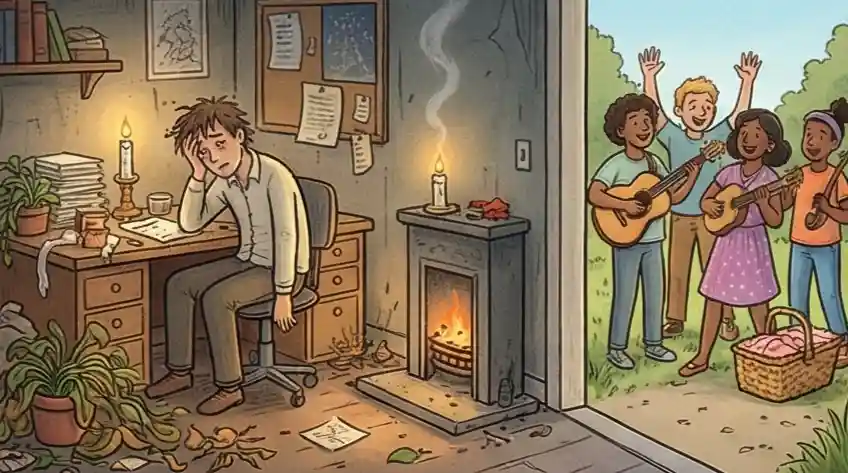
Important Things to Remember for Leaders
Don't try to handle a heavy workload by just being tougher. Instead, figure out which tasks truly drain you and get rid of them, either by stopping them or finding ways to do them automatically. When you clear out the low-value work, you make room for the important projects that truly help you advance.
To avoid doing too much and burning out, always use a "one-in, one-out" rule for new work. If you accept something new, drop something else. This sets a clear limit so you always have the time and focus needed to do your main jobs very well.
You succeed long-term when you work with your body's natural energy rhythms instead of fighting them. Do the hard thinking when you feel sharpest, and save easy chores for when you feel tired. This helps you finish faster and stops the daily tiredness that leads to burnout.
What Are the Early Signs of Burnout?
Burnout is a state of chronic work-related exhaustion marked by three things: persistent fatigue that doesn't improve with rest, growing cynicism toward your job, and a declining sense that your work matters. Early warning signs typically appear 2–6 months before severe symptoms develop — giving you a real window to act before things fall apart.
The three categories of early signs to watch for:
- Physical: Constant tiredness that sleep doesn't fix, frequent headaches, getting sick more often, disrupted sleep patterns
- Emotional: Irritability, cynicism about work, feeling detached from colleagues, dreading Monday on Friday afternoon
- Behavioral: Procrastinating on tasks you used to handle easily, missing deadlines, going quiet in meetings, lowered standards for your own output
According to Gallup research, approximately three in four U.S. employees experience workplace burnout at least sometimes — and about one in four experience it very often or always. Catching the pattern early is the difference between a short recovery and a long one.
Why Rest Alone Won't Fix It
Taking a long weekend is not a real plan for your career. It pauses a broken system for a short while. The idea that a relaxing class or a few days off can fix burnout is a costly mistake. Treating deep exhaustion as a temporary slump leads right back to feeling bad again. You rest just enough to make it through Monday, then feel stressed again by Tuesday morning.
This cycle doesn't just make you tired. It makes you lose your drive at work and feel like you are failing because you are not "tough enough."
A 2021 study published in Harvard Business Review found that burned-out employees were 2.6 times as likely to seek other employment — costing organizations far more than the cost of preventing burnout in the first place. The problem isn't resilience. It's the structure of the work itself.
To get ahead again, you need to stop focusing only on taking care of yourself and start focusing on reducing your workload. The answer is not just thinking differently; it is a "Work-Design Check-up." This is a practical step where you change from just being a "hard worker" to being a "smart manager" of your tasks.
Find and change the small slice of work (the bottom 20%) that causes most of your stress (80% of it), and you fix how your job actually works — rather than just trying to feel better. You don't need more rest. You need a job structure built for top performance.
How to Manage Your Energy: A Simple Guide
As someone in a key role, feeling tired is a sign that your system is overloaded, not a personal weakness. To keep doing great work, you must choose a way to manage your energy that fits how busy and stressed you are right now. This guide compares three main ways to handle your mental and physical energy.
"The number-one cause of burnout is an unmanageable workload — not lack of resilience. The fix has to start with the work itself, not the worker."
Level 1: Basic Survival Mode
If You Are:
Just starting to feel tired all the time and need to stop things from getting worse.
What to Do Now
Pay attention to the basics: Get 7 or more hours of sleep, notice when your body feels physically tired, and force yourself to take weekends off. This is the bare minimum to keep you working.
Level 2: Working Smartly
If You Are:
Mid-level in your career or juggling many projects, and you notice you are having more "bad" days than "good" days.
What to Do Now
Create rules and block out time: Use a schedule to set aside clear time for deep work, keep a list of tasks you say "no" to, and track your energy levels daily like a business metric. This makes your work output steady and predictable.
Level 3: Top-Level Performance
If You Are:
In a leadership role where the quality of your decisions matters more than the number of hours you work.
What to Do Now
Optimize your entire work system: Delegate tasks that use your time poorly, audit your tasks to remove draining ones, and build a strong team around you. This leads to top performance that you can keep up over the long haul, making you an architect of lasting success.
What Each Level Gives You
If You Are:
Trying to see the main benefit of choosing each level of energy management.
What to Do Now
- Level 1: Stops You From Completely Breaking Down (Keeps you functional).
- Level 2: Keeps Your Work Consistent (Manages your daily schedule).
- Level 3: High Performance That Lasts (Allows you to lead effectively long-term).
The Burnout Warning System
To help people notice and fix exhaustion, use The Burnout Radar. This system moves from how you feel inside to making changes outside, giving a clear path to getting better. According to a 2024 BCG study, roughly half of workers globally report struggling with burnout right now — which means your instinct to catch the signs early is correct. Financial stress compounds this further: see our guide on how managing your money reduces career-related stress.
Your Inner Warning Light
What You Feel Inside
Goal: To notice small changes in your body and mood before they become serious problems.
Action: Every morning, rate how motivated you feel on a scale of 1 to 10 so you can spot downward trends quickly.
What's Causing Trouble
Finding the Drains
Goal: To pinpoint exactly which work tasks, people, or habits are using up most of your energy.
Action: Every week, look at your calendar and mark the meetings or tasks that leave you feeling completely drained versus those that make you feel energized.
Your Protective Shield
Taking Action to Protect Yourself
Goal: To create a firm barrier between your work and your personal time so you can actually recover.
Action: Set a strict "digital end time" where you turn off all work alerts every night so your brain can truly shut down.
The system works in order: First, you notice how you feel (Internal). This tells you what to change (External). Finally, you put a strict rule in place to protect your recovery time (Protective Shield).
The Quick Fix: Moving From Stress to Smooth Work
The way to keep up high performance is not by trying harder, but by changing the way your job is set up. This is the fast action plan to turn daily problems into times when you can work easily.
The Cycle of Returning to Stress: You take a weekend off, but by Tuesday you feel just as tired because the actual amount of work you have hasn't changed.
Work-Design Check-up: Find the 20% of tasks that cause 80% of your stress. Immediately move them to a "Stop Doing" list or automate them to change how your day looks.
The "Yes Man" Problem: Agreeing to every request because you feel bad, which creates a never-ending pile of work that makes relaxing impossible.
Smart Work Removal: Stop trying to be tough and start trying to remove work. For every new thing you agree to do, agree to drop or delay another task of the same size.
Wrong Energy Level: Trying to solve hard, stressful problems when your brain is tired, which makes the work take twice as long and feel twice as difficult.
Matching Work to Energy: Schedule your hardest work for when you are most alert. Put boring emails and simple tasks during your low-energy times (usually after lunch).
Trying Too Hard: Wasting energy giving 100% effort to unimportant tasks that don't actually help your career move forward.
Strategic Imperfection: Intentionally lower your standards for things that don't matter much. Let minor emails or small errors slide so you save your energy for the things that are truly important.
Immediate Plan for Burnout Recovery (48 Hours)
This plan shows the key, immediate steps you must take over the next 48 hours to stop the downward spiral and start recovering by strictly controlling what you focus on and setting clear limits.
Write down three things that are making you feel tired, like a tough project, not enough sleep, or too many meetings. Naming these triggers is the first step to stopping the problem.
Go through your calendar and cancel or reschedule any meeting or task that isn't absolutely required for things to keep running smoothly. This must create open space in your schedule.
Keep it professional and short: Say that you are at a point where you need to focus only on the most important things for the next 48 hours so you can get your best work back.
When your workday ends, turn off your computer and hide work apps (like Slack or Email) on your phone. Don't look at them until the next morning.
Pick one simple activity that has nothing to do with your job. This could be a long walk, a hobby, or just sleeping more. This must be something that requires you to produce nothing or perform for anyone.
Improve with Cruit
For Proof
Journalling ModuleStop the cycle of crashing and returning to stress. The AI Journaling Coach helps you see the times when your energy is best used.
For The Meeting
Career Guidance ModuleGet out of the trap of trying to please everyone. This acts like a 24/7 helper to assist you in setting boundaries on your work.
For Clarity
Career ExplorationFix the problem of wasting energy on the wrong things by finding out which skills you can use elsewhere and seeing different job paths.
Common Questions
What if I have "must-do" tasks that only I can handle but are draining me the most?
Even if you are the only person with the knowledge, constantly being the bottleneck is a problem with the system, not a strength.
Use a Work-Design Check-up to document these processes and then train someone else or automate the repetitive parts. If a task is "vital" but exhausting, your aim should be to change your role from the "doer" to the "checker." This keeps the work getting done without relying only on your own energy levels.
Will cutting back on work make me look like I don't care about the team?
No. A "good soldier" who burns out and leaves is much less helpful than a smart manager who keeps producing high-quality work over a long time.
Talk about your workload management as "focusing on the most important goals." When you talk about dropping tasks, explain that you are removing low-value activities so you can give 100% to the projects that really matter to the company.
What if my boss expects me to just work harder?
Stop asking for permission to feel better and start showing them facts about your performance. Show your boss how the cycle of crashing and returning to stress is leading to lower quality work and mistakes.
Change the focus of the discussion to how the business works. If they still won't help you reduce the work, use strategic imperfection: put minimal effort into low-priority tasks so you save your energy for the work that matters most.
What are the early signs of burnout at work?
Early signs of burnout include persistent exhaustion that doesn't improve with rest, growing cynicism about your job, difficulty concentrating, and reduced output. Physical signs like frequent headaches, disrupted sleep, and getting sick more often also appear early.
Burnout warning signs typically start 2–6 months before severe symptoms develop. The earlier you act — by changing your work structure, not just resting more — the faster the recovery. If you're noticing these patterns, see our guide on setting healthy work boundaries as a first step.
How long does it take to recover from burnout?
Recovery from burnout takes weeks to months depending on severity. Mild burnout caught early may resolve in a few weeks with consistent workload changes, better sleep, and stricter work boundaries. Severe burnout can take 3–6 months or longer.
The key is addressing the root cause — your work structure — rather than just resting. Rest alone delays the next crash. Redesigning your workload prevents it. Read more about long-term prevention in our piece on work-life integration strategies.
Is burnout the same as stress?
No. Stress typically involves too much pressure but still feeling engaged and motivated. Burnout is the result of prolonged, unresolved stress — and it shows up as three things: exhaustion (nothing left), cynicism (stopped caring), and inefficacy (feeling like your work doesn't matter).
Stressed people feel overwhelmed but still hopeful. Burned-out people feel empty. The distinction matters because the solutions are different: stress responds to breaks; burnout requires structural change.
From Resting to Redesigning
If your career is like a machine, letting the engine cool down for a weekend won't fix a broken part. The "quick break" only delays the next crash, because the amount of work you have is structurally wrong.
The fix is treating yourself like a smart leader of your own work. A Work-Design Check-up moves you from surviving the week to controlling your results. Fix the structure of your job to protect your most valuable skill: your ability to perform at a high level.
Start RedesigningFurther Reading

The Myth of Work-Life Balance: Striving for Work-Life Integration Instead
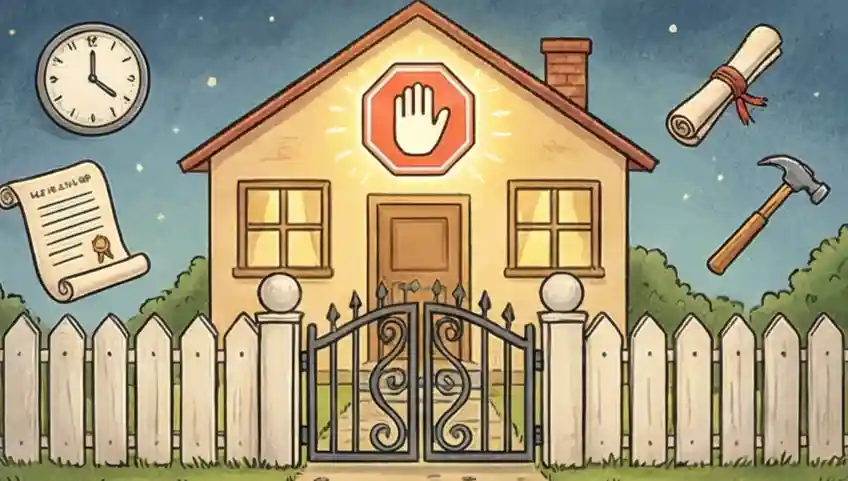
Setting Healthy and Enforceable Boundaries at Work to Avoid Burnout
