Key Takeaways: How to Get Ahead
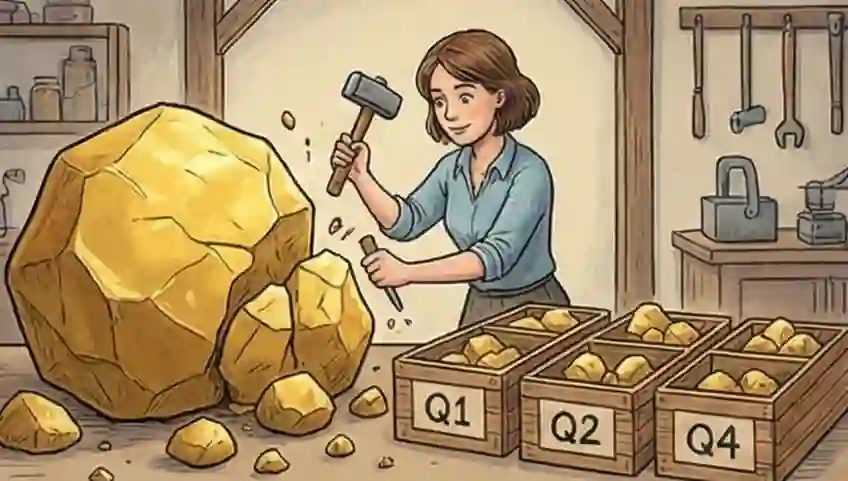
Junior Step: Just filling out forms for required environmental reports. Master Step: Using green facts to find ways to save money and create new sales. Don't just talk about the past; plan for a future that saves money and cuts carbon.
Junior Step: Looking only for jobs named "Sustainability." Master Step: Adding knowledge about recycling and carbon limits to normal jobs like Finance, Operations, or Product design. The real power is making every job green automatically.
Junior Step: Focusing on "doing less bad" to avoid being sued or getting bad press. Master Step: Creating plans that are "net-positive" to win over customers. Change the question from "How much will this cost?" to "How does this make us the best choice for today's buyers?"
Junior Step: Explaining the science behind climate change. Master Step: Showing how environmental efforts lead to better profits, cheaper spending, and keeping good staff. To be a leader, speak the language of the main bosses (C-Suite), not just the scientists.
Junior Step: Fixing one small part of the supply chain to cut down on waste. Master Step: Rethinking the entire chain. Influence who supplies you and who buys from you to build a repeating cycle that protects you when resources become scarce later on.
The Big Green Change: A Strategy Shift
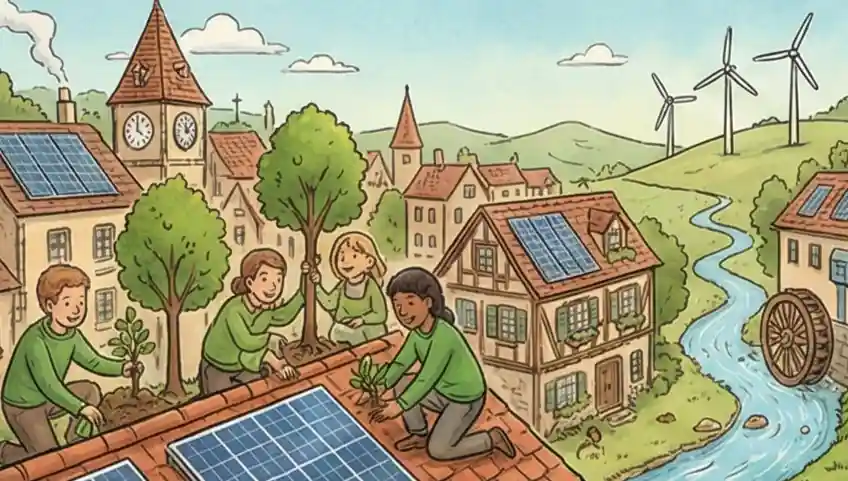
Stop searching for "green jobs." You are watching the Big Green Change begin. Treating sustainability as a nice hobby or a side department is a mistake in how you plan your career. This is not an optional area; it is a complete redesign of how the world does business. Most people wait for a job title that says "Sustainability," not realizing that every important job in the next ten years will be a climate job automatically.
Moving up in this change requires mastering a strict ladder of value. Knowing the technical facts is the first step, which means meeting rules and avoiding fines.
Getting to the middle level means putting these green ideas into daily work, turning environmental goals from a "cost" into a way to be more efficient and boost profits.
But the goal for top leaders is managing the company's long-term worth. At this level, you handle making sure the company survives system changes, avoiding old assets that will lose value, and getting the best deals from new "green" money sources. You are not just reporting numbers; you are making sure the company stays valuable in a future with fewer resources.
To rise above the usual way of doing things, you must become a smart reviewer of company strategy.
"Every CFO I speak with now treats climate risk as a balance sheet issue. The sustainability professionals who get promoted are the ones who can quantify what a 1.5°C scenario does to their asset base, not just write the annual report."
What Are Green Jobs?
Green jobs are roles that contribute to preserving or restoring the environment, whether in renewable energy, sustainable finance, ESG compliance, supply chain management, or corporate strategy. The term has expanded far beyond solar panel installers and environmental scientists. Today, a green job is any position where climate knowledge directly shapes how decisions get made.
The demand for workers with these skills has grown dramatically. According to LinkedIn's 2024 Global Green Skills Report, global demand for green talent grew 11.6% between 2023 and 2024, while the supply of qualified workers grew only 5.6%. That gap means professionals who develop sustainability skills now hold a measurable hiring advantage: LinkedIn found that job seekers with green skills are 54.6% more likely to get hired than those without them.
The World Economic Forum projects the green transition will create a net gain of 9.6 million new roles globally by 2030. The careers available are not limited to specialist positions. Finance, operations, product, and procurement roles are all being reshaped by climate requirements. The question is not whether your job will be affected, but how fast. If you are still mapping where this fits into your longer arc, the guide on building a portfolio career covers how professionals layer multiple skill sets to stay resilient across industries.
Checklist: Are You Changing with the Big Green Shift?
This checklist helps you see if your approach to "Green Business" is stuck in old ways (just being socially responsible) or if you are ready to be a top leader guiding investments in the Big Green Shift.
| What You Focus On | Warning Sign (Old Way / Step 1) | Good Sign (Step 3 Mastery) |
|---|---|---|
|
How You Measure Success
|
Warning Sign
Keeping your ESG score up, following carbon rules, and buying carbon credits to look "Net Zero" on paper. These facts are seen as a chore you must report.
|
Good Sign
Using an "internal price for carbon" when deciding on big spending (Capex). You track "Carbon Edge," a measure of being better than others at making money while lowering your carbon footprint per dollar earned.
|
|
Your Connections
|
Warning Sign
Working closely with charity groups, social responsibility consultants, and "Impact" non-profits. Your focus is on managing how people see the company's image.
|
Good Sign
Talking directly to the CFO, the Head of Mergers & Acquisitions, and big Climate-Tech investors. You team up with competitors to build shared systems (like shared recycling networks) to lower the extra cost of being green.
|
|
How You Talk About It
|
Warning Sign
Using soft words like "eco-friendly," "giving back," or "caring business." Your stories focus on brand feeling and avoiding bad news rather than financial impact.
|
Good Sign
Turning physical climate threats into specific financial terms (Basis Points). You talk about how "dirty" assets lose value faster and how being ready for the climate transition lowers your borrowing costs.
|
|
Long-term Plan
|
Warning Sign
Running small "Green" test projects that are separate from the main business. Waiting for clear rules before making big changes. Treating sustainability as a separate department.
|
Good Sign
Quickly getting rid of high-carbon assets before they become worthless. Redesigning the main business rules to make more money without using more resources, treating climate as a full company redesign.
|
How to Read Your Status
- Mostly Red Flags Paying for Rules: You are probably in a protective role, just stopping the company from getting sued or being called out for "greenwashing." Your career growth is limited by the money marketing or legal teams have.
- In Transition (Step 2) Efficiency Expert: You are likely saving the company money by cutting waste, but you haven't yet changed the core business plan or how the company gets money.
- Mostly Green Flags Money Maker: You know that this change is the biggest movement of money in modern history. You aren't just "saving the planet"; you are redesigning how the world's business works for a future with limited resources. You are on track for top leadership roles.
The Starting Line (New Hires to Junior Roles)
When you start, caring about the environment isn't what matters most. Success only depends on Following Rules and meeting Strict Limits. You either help the company meet standards or you become a problem they need to get rid of. There is no in-between.
Basic Qualification Certificate
What to Do: Get a recognized starting certificate for your field (like LEED Green Associate, or a certified course on Carbon Accounting).
Why It Matters: Hiring systems and HR use these letters as a simple pass/fail test. If the exact letters aren't on your papers, the system automatically rejects you to lower the company’s risk.
Know the Reporting Rules
What to Do: Show you can properly organize environmental data using one of the main global reporting guides, like GRI or SASB.
Why It Matters: Today’s green jobs are based on following the rules. If you can't put the environmental numbers into these specific formats, you cost the company extra time and money to train you, so they won't hire you.
Do the Math Right
What to Do: Check resource use (energy, water, waste) carefully using spreadsheets or special software, with zero room for error.
Why It Matters: Perfect accuracy is needed to stop accusations of "greenwashing." One math mistake in a report creates legal and image problems. Being accurate is the only way to keep your job at this level.
The Professional (Mid-Level to Senior)
At this professional level, "sustainability" is no longer just a nice idea. It's a way to manage risk and gain an edge over competitors. Your value isn't measured by how much you care about the environment, but by how well you can get things done inside a complicated company. To lead in this green shift, you must stop treating "green" as a separate job and start treating it as the new standard for doing operations well.
Business Results: Show How Green Facts Affect Money and Risk
Don't just report saved energy; report how saving energy keeps profits steady when utility prices jump and carbon taxes hit. The goal is to move sustainability from being a "cost department" to a "way to protect value." Find ways "green" actions can lower borrowing costs or win new contracts that were previously blocked by compliance problems.
Operation Level: Make Projects Permanent, Not One-Off Fixes
Mid-level pros must find the company's "messy tracking systems" (the manual spreadsheets used to track green data). Your job is to build a strong system for ESG (Environmental, Social, Governance) data that is as reliable as financial accounting. If the data isn't ready for an official check, it's a danger, not an asset.
Company Context: Match Green Goals with Other Departments' Paychecks
Green ideas often cause problems with other departments (e.g., Buying wants the lowest price; Sustainability wants the lowest carbon). A professional fixes this by adding green goals to the existing performance targets of other leaders. You aren't asking the Buying team to "be green"; you are helping them "reduce supply chain risk" against future environmental rules.
Mastery (Top Leader to Executive)
At the top level, the difference between a "sustainability person" and a "business leader" disappears. Mastery means you can turn ESG from a chore or a simple checkbox into a main way the company makes extra money. You are not managing a department; you are managing the company's survival over the long run, its borrowing costs, and its reputation with big funds and government investment bodies. Your success is measured by tying carbon performance to the company's income statement and turning climate risks into a competitive advantage.
Political Skill: Leading All Sides
At the executive level, sustainability is a complex negotiation. You must master "Stakeholder Orchestration": balancing the intense demands for carbon cuts from activist investors (like Engine No. 1 or BlackRock) against what traditional shareholders expect for immediate returns. Mastery means building a team on the Board to redefine what the company owes its owners, making sure long-term environmental survival is seen as necessary for short-term financial health. Your goal is to turn "Rules We Must Follow" into "Permission to Lead the Market."
Growth vs. Defense: Where to Put Company Money
Mastery requires a smart switch from "Defensive Sustainability" (avoiding lawsuits, keeping permission to operate, carbon accounting) to "Offensive Sustainability" (winning new markets and making the balance sheet stronger). You must manage the shift of money away from old, dirty assets and toward chances for financing the transition. This means looking for where the "Green Price Advantage" is in your supply chain and aggressively buying companies that secure your place in a zero-carbon world. You are not just protecting the company from climate problems; you are setting it up to profit from the solution.
The Future: Making the Goal Part of the Company DNA
A true Master makes sure the green goal becomes part of the company’s core structure, not just their own job time. This involves changing how top executives are paid to include ESG targets and training a new group of leaders who inherently understand sustainability. Your lasting impact is judged by how strong the company's culture becomes, shifting sustainability from a "boss's order" into the main way every decision is made, from research to building new sites. You are building a company that cannot afford to ignore its effect on the environment.
Advance Your Green Career and Sector Knowledge: The Next Big Wave with Cruit
Career Exploration
See Your Hidden SkillsIf you aren't sure how your current job fits into the green sector, this tool deeply checks your resume to find skills that match high-growth green jobs.
Job Analysis Tool
Close the Green Skill GapGreen jobs often require special environmental training or niche technical skills. This tool finds the exact skills you are missing compared to the job you want.
Networking
Make Real ConnectionsCruit's networking tool helps you write personal messages that appeal to leaders in green energy and ESG, focusing on shared values.
Common Questions
I don't have a science background. Does that disqualify me from this Big Green Shift?
Not at all. In fact, the industry is moving away from just academic science toward getting work done in the real world.
The most valuable people in this shift are those who can translate complex metric acronyms (like GHG Protocol, TCFD, SASB) into real impact on the company’s bottom line. If you can manage a supply chain, lead a buying team, or handle corporate money, your job is already changing. You don't need a science degree; you need the know-how to fit carbon limits into what you already do well.
Is this just a temporary change based on current politics that will disappear later?
This is a huge, lasting change in money markets, not just a passing rule. It is driven by huge investors (like BlackRock and Vanguard) who see climate issues as financial risks.
Companies that don't adapt will find it more expensive to borrow money and risk having old assets that lose all their worth. This is a basic economic change (a full system redesign) that makes sure sustainability stays a core business function no matter who is in power.
Will adding "Sustainability" to my job title help me earn more money?
A title change alone is not enough. The best pay in this field goes to people who move past Step 1 (Following Rules) and Step 2 (Saving Money) and reach Step 3 (System-Wide Safety).
When you switch from "writing down data" to "getting better loan terms from green banks" or "remaking business plans for less resource use," you move from being a clerk who manages costs to someone who protects the company's ultimate worth. Leaders who lower big dangers can command top executive salaries.
How fast is demand for green skills actually growing?
Faster than most people realize. According to LinkedIn's 2024 Global Green Skills Report, demand for workers with green expertise grew 11.6% between 2023 and 2024. Supply of qualified talent grew only 5.6% in the same period. That supply-demand gap makes green skills one of the highest-leverage career investments available right now.
The World Economic Forum projects the green transition will add a net 9.6 million new roles globally by 2030. Companies that can't find qualified people internally are paying premiums to hire from outside.
Is it better to get an ESG certification or build experience first?
Do both in parallel, but prioritize experience that produces measurable results. A LEED Green Associate or GRI-certified reporting credential gets you past automated screening for junior roles. Real advancement, though, comes from applying those credentials to actual problems: cutting a building's energy costs by 18%, or rebuilding a carbon data pipeline that can survive a regulatory audit.
Certifications open the door. What you did with them once inside is what gets you promoted.
Should I focus on one industry or stay generalist in sustainability?
Industry depth pays better at the senior level, but sector breadth opens more doors earlier. The most valuable pattern is a T-shape: deep expertise in how climate risk plays out in one sector (financial services, manufacturing, real estate), combined with enough cross-sector literacy to speak to CFOs, procurement heads, and operations leads regardless of industry.
Finance and technology roles with green skills are growing at 7.5% and 11.3% per year respectively, according to LinkedIn's 2025 data, so those two sectors reward both specialist and generalist tracks.
Master the Big Green Change
The time for "green sidelines" is over. We are in the Big Green Change, where being able to manage a low-carbon economy is the new standard for being a great professional. Move from being someone who Looks For things to being a Planner who understands that every important job now involves climate issues. For a broader view of how work itself is shifting, read our analysis of the four-day work week and the future of work.
Start Planning Now