What You Should Remember to Plan Your Career Better
Make the person you will be in three years feel real right now. Every important task you finish today is a real gift to that future person. Don't let the person you are now take time away from the person you will be.
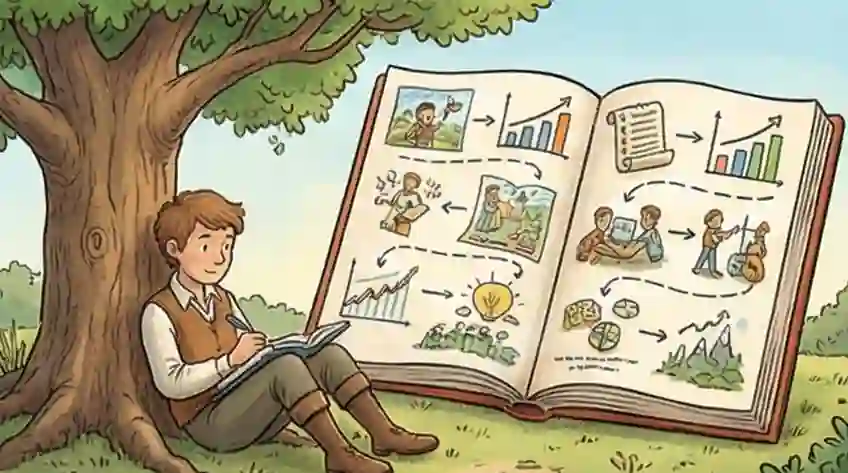
Build a collection of valuable skills that you can update over time. Think of it as upgrading your basic way of working, not just trying to reach one specific job title.
Focus on work that grows in value over time, like networking, sharing your knowledge, or learning AI. If a task doesn't create useful records or assets for your future self, ignore it.
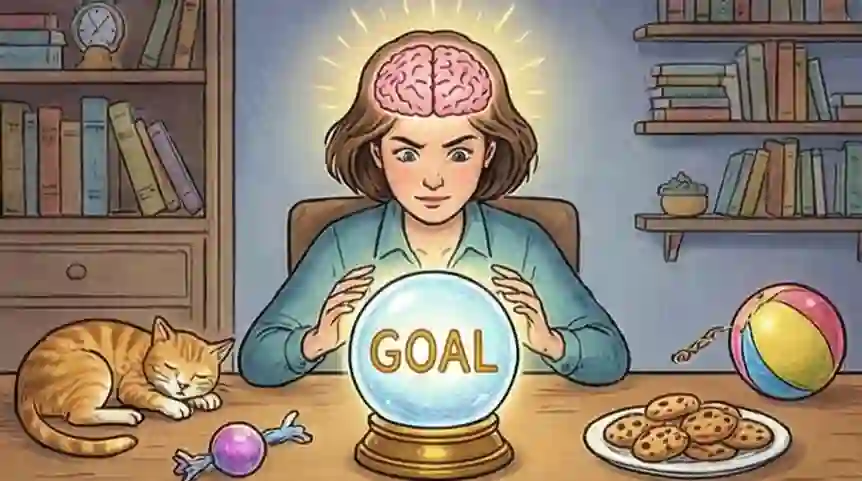
Motivation comes and goes, but your main goal should be steady like a laser beam. Keep your long-term vision clear, even if you have to be flexible and quick about the steps you take to get there. Keep moving forward through problems without losing your purpose.
Changing Your Career Thinking
The biggest mistake you can make in your career today is acting like your future is something you have to pay for with hard work and unhappiness now. For decades, we were sold a broken model of how motivation works for long-term goals. We were taught that drive is like a gas tank: a limited amount of willpower we have to burn through to reach one distant paycheck. This old way of thinking treats your job like something you just have to get through, making you suffer now for a reward that feels like it belongs to someone else. This model fails when things get tough or the work becomes overwhelming.
The straight-line career path is gone. We live in a time of constant identity change, and the only way to stay focused on long-term goals is to stop chasing fixed targets and start changing as things happen. When the world is changing fast, sticking to a plan you made twenty years ago can work against you.
To stay strong while everything around you shifts, you must feel emotionally connected to your future self based on what you do today. This change builds a new kind of Career Value: the mental link that makes your long-term plan feel like a real, present-day activity. Focus is no longer about forcing yourself to reach a final spot; it is about making the effort to become the person your future needs you to be.
What Is the Psychology of Motivation?
Motivation psychology studies what drives people to pursue and maintain long-term goals. Brain research from UCLA professor Hal Hershfield shows our biggest obstacle is neurological: our brains treat our future selves as strangers. Closing that gap, making the future feel personal, is what separates people who reach their goals from those who don't.
For careers, motivation is not a fixed resource that runs out. It is a connection between your present identity and your future self that grows stronger with practice. Research from the University of Scranton found that 92% of people never achieve their long-term goals. The main reason isn't effort or ability. It is psychological distance.
How Focus Changes: From Force to Identity
The focus shifts from needing to use your limited self-control and waiting for outside rewards to building a strong sense of who you are and feeling connected to a good future self.
What Drives You: Willpower Fuel Tank: Seeing motivation as something you force yourself to use, like running out of gas.
The Main Goal: A Fixed Spot: Trying to get a specific job title or a certain amount of money.
How You Succeed: Waiting for Payoff: Choosing to struggle and feel bad now in exchange for a reward much later.
Result: Getting Tired and Breaking Easily: This system fails the moment you feel tired, stressed, or bored with what you are doing.
What Drives You: Connection to the Future: Feeling close to your "Future Self" so that your work feels like helping a friend.
The Main Goal: A Clear Main Direction: Following a strong reason "Why" that stays the same even when jobs or industries change.
How You Succeed: Always Becoming: Always changing who you are today to match the person you want to be tomorrow.
Result: Bouncing Back and Growing: You stay focused because what you do is tied to who you are, not just your paycheck.
The Identity Connection Plan
To help you focus for the long term and connect what you do now with your future success, use The Identity Connection Plan. This plan has three parts to help you rely on being true to yourself instead of just using willpower.
Part 1
These are the main rules that define who you are professionally, no matter your job or industry. They give you a steady guide that helps you through changes and when you feel tired. Focusing on your "Changing Identity" instead of one fixed goal keeps your main purpose visible even when things around you change.
Part 2
A thinking exercise that makes your "future self" feel like a close, personal friend who needs your help. This closes the gap between you and your future self by making the rewards of your hard work feel immediate and personal. When you see your future self as a real person you care about, your brain stops seeing hard work as a loss and starts seeing it as being kind to yourself.
Part 3
A regular process for updating your methods and habits based on who you are becoming, instead of who you used to be. This stops you from getting stuck on old career paths that no longer work. Regular check-ins on whether your daily actions still support your changing identity keep you focused, without ever depleting your "Willpower Fuel." A career journal practice is one of the most effective tools for running these check-ins consistently.
First, decide on your Main Direction Marker. Then, use the Close Contact Rule every day to motivate your actions. Finally, use the Changing Habits Cycle in your monthly check-ins to make sure your actions match the person you are evolving into.
Tools to Help You Connect Your Identity
Main Direction Marker Career Searching
Finds skills you already have that can move to other jobs and points out different career paths based on your past work, turning what you can do into a clear direction.
Close Contact Rule Journal Tool
Records what you win and what you learn daily with an AI Helper, creating a search history that makes your future self feel closer.
Changing Habits Cycle Career Advice Tool
Acts like a wise mentor, asking deep questions to make sure your daily actions match your changing goals and keeps your "Willpower Fuel Tank" full.
Common Questions: Finding Your Way to Success Now
Why do most people fail to reach their long-term goals?
Research from the University of Scranton found that 92% of people never achieve their long-term goals. The main reason is neurological, not motivational: your brain treats your future self as a stranger, making current effort feel like a sacrifice for someone else. Closing the gap between your present and future identity is the core fix.
How do I stay motivated when results feel far away?
Switch from outcome-based thinking to identity-based thinking. Instead of tracking how far you are from a goal, focus on whether today’s actions match who you are becoming. Small 15-minute actions that reflect your future self build momentum faster than waiting for large milestones.
What is the psychology of future self motivation?
Future self motivation is based on research showing our brains activate different neural patterns for our present and future selves, patterns similar to those used for strangers. UCLA professor Hal Hershfield found this gap directly predicts impatience and poor long-term decision-making. Treating your future self like someone you care about rewires this response.
How do I recover from career burnout?
Burnout happens when effort feels like work done for someone else. The fix starts with reconnecting your daily tasks to your future identity, not your current to-do list. Rest is part of protecting your career value, an investment in your future self rather than time you have to earn back.
Does imposter syndrome mean I am on the wrong path?
No. Imposter syndrome signals that you have not yet emotionally connected to your future self. Growth always feels uncomfortable before it feels natural. When imposter feelings arise, use your core professional values as a compass. You are not pretending; you are practicing.
How do I find focus when my schedule is already full?
Forget 10-year plans. Focus on 15-minute daily actions that reinforce who you are becoming. These small, identity-consistent steps build compound progress without requiring large blocks of time. Consistency with small actions beats occasional bursts of big effort.
Our Belief
You are no longer just sitting in a career that follows a straight line; you are building an identity that changes as you go.
By treating your future self like a close friend instead of a stranger, you turn every challenge into something that increases your career value.
When the world is always changing, how you focus is your best advantage. Stop waiting for a final stop and start living the change right now.
Build for the person you are becoming, not the person you were before.