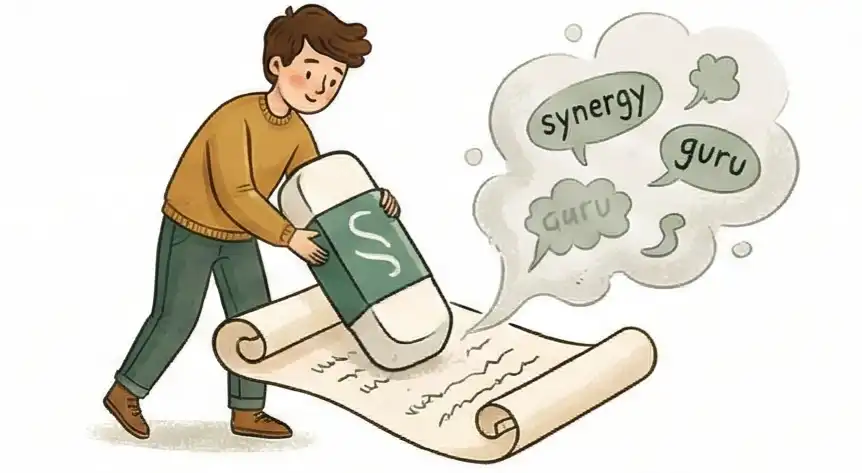
What You Should Really Focus On
The most persistent resume myths send job seekers chasing the wrong things. Here's what actually moves the needle:
-
01
Think About People First Write your resume for the recruiter who makes the hiring decisions, not for a computer program. You want to start a real conversation, not just try to fool a digital filing system.
-
02
Show Your Impact Instead of just listing words you think they want to see, show clear achievements that prove the real difference you made. Highlighting what you actually did helps humans see you and gives search tools the right information.
-
03
Keep the Format Clean Use a straightforward, normal layout so that any software can read your information correctly. A simple design avoids technical problems and lets busy hiring managers quickly scan your career details.
-
04
Be Real for the Long Run Create a professional story that shows your real strengths and unique career journey. If your personal brand is honest, your resume will keep working well for you across different jobs and throughout your whole career.
The Truth About ATS
You might be treating your resume like a secret code designed to sneak past a security check. You probably worry a lot about things like how wide the space is, what font to use, and how many keywords you have, because you think a cold computer system is waiting to immediately throw your application away if you miss one small thing. You've been told that if you don't play this exact computer game perfectly, you have no chance.
But here's what's actually happening: you are chasing something that isn't really there.
The Applicant Tracking System (ATS) is not a robot that rejects people; it's just a recruiter who is tired. When you spend all your effort trying to figure out the computer program's secrets, you create a resume that reads like a boring technical manual. You remove your personality and hide your best achievements while just trying to please a machine that isn't even making the final judgment. Write for a robot, and you lose your human connection. You turn a great career story into a dull list of words that doesn't give a real person any reason to be interested. You haven't beaten the system; you've just made yourself hard to notice for the only person who matters.
Here's what the data actually shows: a survey of 25 working recruiters by Enhancv (2024) found that 92% confirmed their ATS does not automatically reject resumes based on formatting, design, or content. The "75% rejection" statistic, repeated constantly on LinkedIn and career coaching blogs, was traced to a defunct company's 2012 marketing pitch — no disclosed research methodology, no peer review.
"It's such a false narrative, and it's really a shame that people resort to that scare tactic."
— Reggie Martin, Recruiter, Los Angeles
What Is an ATS?
An Applicant Tracking System (ATS) is software companies use to collect, store, and search job applications. It's a digital filing cabinet with a search bar — not a judge. It stores your application as a database record so recruiters can filter candidates by skill, title, or location when they're ready to review.
The only automated rejection in a real ATS workflow comes from knockout questions — direct yes/no checks on eligibility requirements like work authorization or minimum years of experience. If you pass those, your application is saved and available for human review. The system doesn't score you, rank you out of the running, or silently discard you based on margins or font choice. That part is entirely human.
What the ATS Really Does: A Look From the Inside
Since I build these kinds of programs, I can tell you that the scary "Robot Gatekeeper" doesn't exist. An ATS is really just a database that has a fancy search bar built into it.
Reading the Document & Basic Filters
Getting the InfoWhen you upload your resume, the system uses a parser* to turn your document into organized information. The only way the "machine" truly stops you is through *knockout questions—those direct "Yes/No" questions about needing work authorization or having a minimum number of years of experience. If you fail those hard checks, the system flags you. Otherwise, your information is just saved as a record waiting to be found.
How Recruiters Search
The Search EngineRecruiters don't look for a perfect score; they use specific search commands (like finding "Marketing" AND "SEO" but NOT "Internship") to narrow down the list. Newer systems also use smarter searching that understands meaning. This means if a recruiter searches for "Customer Success," the system knows to also show people who have "Account Management" on their resume.
The Problem with Trying Too Hard
Risks of Overdoing ItYou don't need to repeat a word ten times to impress the system; the software already knows related skills. The risk of "writing only for the machine" is that you can cause data confusion. When you use fancy layouts, tables, or try to hide keywords, the program might not read your text correctly. This results in your work history looking like a mess when the recruiter finally sees it.
The goal isn't to trick a robot—it’s to make sure your story about your important work is so clear that when a recruiter quickly scans your profile for six seconds, they immediately see a person worth talking to.
Common Resume False Beliefs (Debunked)
Put the whole job description in tiny white text at the bottom of the page to make the computer think you're a perfect match.
Modern ATS programs see right through that; they strip away formatting, and your hidden words just look like a suspicious block of text to the recruiter. Newer systems look for what makes sense in context, checking if your skills are connected to actual results, not just if they appear in a list.
Use the Resume Tailoring Guide to figure out the main skills a job needs. This helps you naturally include those words by tying them to your real achievements, so you pass the computer check and impress the human reader. While you're at it, review the buzzwords that weaken any resume — replacing them with specific achievements does more than any keyword trick.
You must cut out your best early career wins or shrink your text size to keep everything on just one page.
If you have more than five years of work history, a two-page resume is normal and often helpful for recruiters who want to see how you grew. The real goal isn't being short, but being easy to skim—use clean layout and space so a hiring manager can find your most important accomplishments in six seconds or less.
Our Resume Editor Tool uses smart layout design that handles margins and spacing for you. This lets you focus on telling a strong story while the tool makes sure the document looks professional and clean, no matter the length.
You must lie about dates or make up fake freelance work to cover up any time you weren't formally employed.
Recruiters today are more understanding about breaks for family or travel, as long as you can show you kept learning new things. The real issue isn't the break itself, but if you show that you haven't kept up with the latest tools and trends while you were away.
Use the Job Analysis Tool to compare your resume to the jobs you want. It gives you a clear plan of things to learn or projects to complete to close any skill gaps so you can prove you are ready to start working immediately. For a broader picture of what actually gets applications rejected, read through the most common resume mistakes hiring managers see.
The 30-Second Check: Are You Writing for Humans?
Most people focus too much on trying to beat the computer systems (ATS). They think the secret is a specific keyword or margin size to get an interview. But usually, the biggest problem isn't a robot—it's a recruiter who is bored. Do this quick test to see if you've fallen for the Keyword Stuffing Trap.
Go to your most recent job role.
From that job role.
Or a plain text file (remove all bolding and fancy styles).
To yourself.
What Your Reading Tells You
If you felt like you were reading a technical report: (For example: "Used smart teamwork to increase success markers and improve key results.") The result: You are stuck on the Old Myth. You're writing for a computer that isn't checking. A recruiter reading this will quickly lose interest because you haven't mentioned your actual accomplishments.
If you felt like you were telling a short success story: (For example: "I managed five people to launch a new product that made sales go up by 20% in three months."*) The result: You passed. You are focused on what you achieved. Modern search tools just file things away; once a human looks at your profile, they need to see what you actually *did, not just the jargon you used to describe it.
Expert Advice
Stop trying to trick the computer and start trying to interest the tired hiring manager who only has a few seconds to look. If a human can’t understand your value right away, no amount of keywords will help you.
Cruit AI Co-Pilot: Fixing Common Resume Mistakes
For Your First Draft
Generic Resume ToolGo beyond just listing what you did. Our AI asks smart questions to change your duties into achievements backed by numbers, and it fixes all the hard formatting issues for you.
For Better Matching
Resume Tailoring ToolStop stressing about beating the computer programs. Scan job postings and learn how to naturally add the right skills without sounding fake or forced.
For Your Application Plan
Job Analysis ToolDon't stress about the 100% match idea. Compare your resume to any job listing to see where you stand and get a clear plan on how to fix any real skill gaps.
Common Resume Myths: What You Can Stop Worrying About Now
The Myth of the Robot Gatekeeper
For many years, job seekers have been scared by the idea of the "Robot Gatekeeper." The story is that as soon as you click submit, a cold computer program (the ATS) scans your resume only for keywords. If you miss one word or your margins are wrong, the "robot" automatically throws your application away.
But here is the real professional truth: The ATS doesn't reject people; it just files documents.
Think of the ATS like a file organizer for email. It helps recruiters manage thousands of applications so they don't have to print them all out. Recruiters use a search bar to find skills, and then they spend about six seconds quickly skimming the results. They are not looking for a perfect list of keywords; they are looking for a clear story about your accomplishments.
When you spend hours trying to trick the computer, you lose your real voice. You end up with a resume that sounds like a boring instruction book instead of a story about a skilled professional. Trying to please a machine that isn't making the final call means you fail to connect with the person who actually hires you.
Quick Questions Answered
Should I put a list of skills or hide keywords using white text at the bottom?
No, don't do this. This is an old trick that usually backfires. Modern systems can often see hidden text, and it makes you look like you are trying to cheat. Instead, put your most important skills naturally within the description of your work experience to show how you used them.
What resume format does ATS read best?
Use a simple layout with standard section names (like "Experience" and "Education") and common fonts. This helps the system correctly sort your information. Once that is set, focus your writing on your successes and wins so the recruiter notices you.
Will I be automatically rejected if my keyword match isn't 100%?
Hardly ever. Recruiters use keywords to sort and rank people, but they rarely expect a perfect match. They are looking for enough relevant skills to make it worth having a conversation. If you have 70-80% of the main skills and a history of success, you are still a good candidate.
Does a gap in employment get you automatically rejected?
No. Most recruiters won't automatically reject you for a career gap, especially if you can show continued learning or relevant activity during that time. What raises red flags is an inability to speak to what you were doing, not the gap itself. Frame it briefly and honestly on your resume.
How long does a recruiter actually spend reviewing a resume?
Research suggests recruiters spend around 6 to 10 seconds on an initial pass. They scan for your most recent role, job title, and one standout result. If the most relevant achievement doesn't appear within that window, they move on. That's why clean formatting and achievement-first writing matter more than keyword density.
Is the "75% ATS rejection" statistic real?
No. That figure was traced to a defunct company's 2012 sales pitch with no disclosed research methodology. An Enhancv survey of 25 working recruiters found that 92% said their ATS does not automatically reject resumes based on content or formatting. The statistic spread because fear-based career content gets more shares.
From Trying to Cheat to Being Relevant
It's time to stop trying to trick the system and start focusing on showing you are relevant. When you stop writing for the Robot Gatekeeper, you have room to write for the actual person who hires you. The goal is not to confuse a computer; it’s to make it easy for a recruiter to see how you can solve their problems. Your resume shouldn't be a list of search words—it should be a clear, human story of your success at work.
Stop guessing what the computer wants and start showing what you can do by using Cruit to find your next job.
Start Now