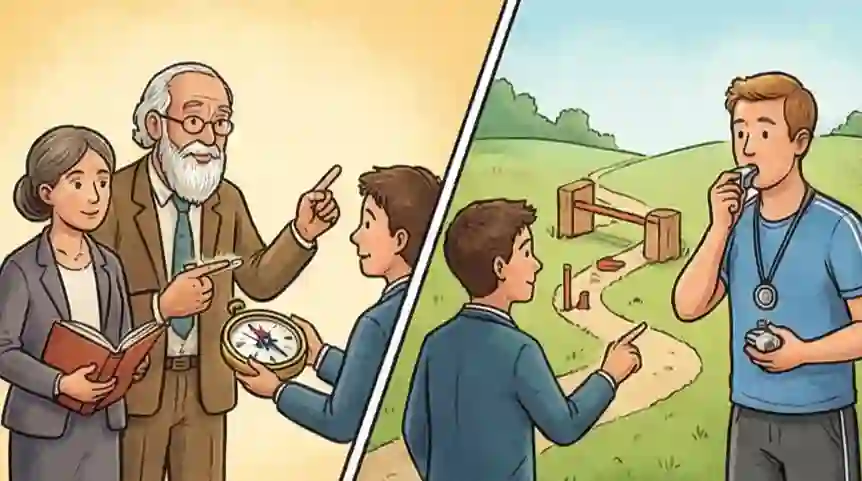
Expert Points: How Your Reputation Affects Your Job Search
-
01
If You're New: Find a Mentor First If your professional background is not strong or your skills aren't proven yet, focus on finding a mentor. This keeps your "Reputational Risk" low because a mentor's standing in their network isn't hurt much if you don't succeed right away.
-
02
If You're Ready: Look for a Sponsor If you already have a strong track record and clear ability, find someone who can vouch for you (a sponsor). They act as a trusted second opinion, turning your unverified information into important, trusted data within their professional circle.
-
03
Don't Ask for Help Too Soon Asking someone important for a referral before you have shown enough competence increases the risk for them. This forces them to spend too much mental energy trying to figure out if you are credible, which goes against how people naturally process information.
-
04
Trusted Endorsements Matter More Now The hiring world highly values endorsements from trusted people when judging risk. Gallup found that 97% of employees with a formal sponsor strongly agree their organization gives them a clear career development path — compared to just 75% of those with a mentor. A sponsor's backing helps you skip the early filtering stages and get noticed by the people who make hiring decisions.
Understanding the Difference Between a Mentor and a Sponsor
Deciding between seeking a mentor or a sponsor isn't just a matter of what you prefer; it's a key way to control how much weight your professional history carries when you look for a new job. Simply put, it’s a choice between two ways to grow: Getting Better or Getting Noticed. One offers a safe place to fix your weak spots, while the other gives you a fast track to people who make hiring decisions.
Most job seekers fall into the trap of treating every professional meeting the same way—like a casual chat for "advice." This creates unnecessary confusion. When you ask someone who could be a sponsor for general advice instead of showing them what you have already finished, you waste the time of busy executives.
On the flip side, asking someone who has only been advising you for a referral before you have built enough trust can ruin the honest relationship you need for learning. Getting this timing wrong doesn't just slow you down; it makes you look like you don't know what you are doing.
The most important thing to focus on is Reputational Risk.
A mentor might only risk a little bit of time, but a sponsor is putting their own professional reputation on the line by recommending you.
To figure this out, you need to decide if you need to improve or if you need someone to introduce you.
A clear framework helps you identify when your track record is strong enough for someone to risk their name on you, and when you still need to build proof first. According to Gallup's research (2022, 8,000+ working adults), only 23% of employees have a sponsor — compared to 40% who have a mentor. That gap is where most careers stall.
What Is the Difference Between a Mentor and a Sponsor?
A mentor is someone who advises you privately, helping you develop skills through guidance and feedback. A sponsor is someone who advocates for you publicly, using their own reputation to open doors on your behalf. Mentors talk with you. Sponsors talk about you.
The distinction matters because they solve different problems. Mentors help when your skills need sharpening. Sponsors help when you're already skilled but invisible to decision-makers. Most careers need both — but rarely at the same time.
Mentor vs. Sponsor: What's the Difference?
| What Matters | The Mentor (Making You Better) | The Sponsor (Showing You Off) |
|---|---|---|
| The Main Goal | Improving your skills. | Giving you a real career boost. |
| What Recruiters See | Shows you are trying to learn. | Shows you are already trusted by someone good. |
| How Tech Values You | Shows you have potential skills waiting to be seen. | A strong sign of trust that carries weight. |
| The Biggest Danger | Getting stuck taking advice forever. | Using up a powerful person's goodwill too fast. |
| Bottom Line | Get a mentor when you need to improve your skills or learn a new field. | Get a sponsor when your skills are proven but decision-makers can't see you. |
Why Mentors and Sponsors Are Different: Understanding Reputation Risk
When thinking about who to ask for help, the difference between a mentor and a sponsor isn't about how senior they are or how intense the relationship feels. It's mainly controlled by Reputational Risk—the hidden cost that influential people pay when they stake their good name on you.
To job search well, you must know how these two roles look at your professional history and why asking the wrong person at the wrong time makes people instantly reject you.
Advice vs. Vouching: How Much They Risk
The Main Difference in ThinkingHow It Works
Mentoring (Low Risk): A mentor offers you a safe space to improve because if you mess up their advice, or even if you follow it and still fail, their reputation outside the relationship isn't really damaged.
What They Focus On
Since the risk is small, the mentor focuses on Improvement—helping you fix problems you have internally without needing to worry about an outside boss judging you.
Sponsorship (High Risk)
Sharing Their Good NameHow It Works
A sponsor doesn't just give you tips; they offer Advocacy. When a sponsor pushes your name to someone important, they are essentially tying your success to their own good name.
What They Focus On
If you don't do well, the sponsor loses status with their coworkers. This is why they expect you to be excellent—they are protecting their own professional standing.
Unverified vs. Trusted Information: How the Market Reads You
The Big Mistake in Processing InformationHow It Works
When you ask a busy executive for "advice" but actually want a job, you are presenting them with Unverified Information—just your resume, which has no real weight in their world. You are forcing them to do all the hard work of checking if you’re good enough, and then risk their name on you.
The Result
In contrast, a true Sponsorship turns your history into Trusted Information. The sponsor acts as a "trust-proxy," making their established reputation the reason why others believe in you.
When Your Good Work Gets Seen
Choosing Who to Approach and WhenLow Proof = Mentor
If your skills aren't proven or you are moving into a completely new field, you are a Reputation Risk. A mentor helps you build up your proof in a private, safe setting.
High Proof = Sponsor
Once you are clearly skilled, getting more learning advice doesn't help much. A sponsor sees someone with a strong track record and views recommending you as a smart move that actually makes their reputation look better because they found great talent.
Summary of the Key Shift
The answer to whether you need someone to make you better (Mentor) or someone to get you seen (Sponsor) is found by judging your Reputation Risk. Only ask for sponsorship when your work is so good that endorsing you is a good move for the sponsor, not just a favor to you. This is how you avoid the trap of seeking advice when you really need an introduction.
Examples of Professional Relationships
The Mentor: The Lab for Improvement
The Goal: This person helps you practice and learn the inside language of a new field so you are prepared when it truly counts. They help build up your hidden skills.
The Danger: The biggest problem is staying too long in this learning phase. If you spend months just taking advice but never actually applying for jobs, you aren't progressing; you're just using advice as an excuse to avoid trying.
When to use them: When you are switching to a job type or industry where you don't know the basic rules and need a safe place to ask basic questions. Informational interviews are one of the best ways to find mentors in a new field before you need anything from them.
The Sponsor: The Accelerator
The Goal: This is a high-stakes connection where an influential person uses their good standing to skip you past automated filters and get your resume in front of the right decision-makers. They provide the solid proof that makes the system take you seriously. Referred candidates are five times more likely to be hired than those who apply through standard channels — and that advantage comes almost entirely from the sponsor's credibility transfer.
The Danger: If you don't perform well after they open the door, you don't just miss out on one job; you damage the sponsor's name. You become a bad choice they recommended, and you might be blocked from getting help from anyone connected to them later.
When to use them: When you are completely ready for the next level but can't get noticed by the people who make the final hiring choice.
Figure Out Your Problem: Do You Need a Mentor or a Sponsor?
1. Moving Up in Your Current Place
Moving ForwardYour Situation: You are good at your current job and want a promotion. You have the skills, but important decisions about your future are made without you being in the room.
2. Switching to a New Field
Making a ChangeYour Situation: You have experience, but you are moving to a whole new industry or role. You know how to work hard, but you don't know the special terms, culture, or key people in this new area.
3. Starting Out or Returning to Work
Getting StartedYour Situation: You are fresh out of school, switching careers with no direct background, or coming back to work after a long break. You keep getting stuck because you need experience to get hired, but you need the job to get experience, and computers filter out your resume.
Using Cruit to Make Smart Connections
If You Need a Mentor Career Guidance Tool
This tool acts like a mentor by asking you guiding questions to help you build a solid plan based on what you want to achieve.
If You Need to Reach Out Contact Templates
Helps you write perfect messages to potential sponsors and advocates so you sound prepared and professional.
If You Need Proof Achievement Log
Keeps a trackable record of your wins so your sponsors can easily point to your success when they talk about you.
Common Questions
What if I ask for sponsorship too early when I really needed mentoring?
This is the risk of calling too much attention to yourself before you are ready. If you ask an important person for a big recommendation when you still need basic guidance, it makes you look like you don't understand your own career level. If you haven't achieved clear, measurable results yet, focus on the learning stage. It's safer to be seen as a promising learner than as someone who asks for too much too soon.
Am I stuck if I keep getting advice but no job leads?
Yes, that means you are stuck asking for advice (mentorship) when you should be showing results and asking for promotion (sponsorship). If you have clear skills but no one is introducing you to hiring managers, you need to switch your approach. Stop asking general advice and start presenting a clear business case for why having a sponsor vouch for you is a smart, low-risk investment for them.
Can a person who mentors me eventually become my sponsor?
Yes, a mentor can definitely become a sponsor, but you have to signal that you are ready for the change. You need to show them you are moving from needing help to fix things internally to being ready to deliver results externally. This change happens successfully when you prove that you don't need them to teach you anymore, but you need them to publicly support your impact.
How do I ask someone to be my career sponsor?
Don't ask directly — earn it. Sponsors choose to advocate based on demonstrated results, not because they were asked. Build a track record they can point to, then make it easy for them by sharing specific wins and framing the connection around mutual benefit: recommending you reflects well on their talent-spotting ability. Focus on making the case that backing you is a smart move, not a favor.
Is it better to have a mentor or a sponsor?
Neither is universally better — they solve different problems. A mentor helps when your skills need sharpening or you're navigating unfamiliar territory. A sponsor helps when your skills are strong but you're invisible to decision-makers. Gallup research found that only 23% of employees have a sponsor, yet those who do are far more likely to feel confident about their career progression than those with mentors alone. Most professionals need both over the course of a career, but rarely at the same time.
Know What You Need.
Your ability to tell the difference between needing to improve and needing to be seen is your first major test of good judgment in the job market. If you pick the wrong type of help (asking a sponsor for basic lessons, or asking a mentor for a high-stakes referral), you are not managing the "Reputation Risk" well. To make sure your true value gets noticed and you don't get lost in endless casual chats, treat this choice as a key strategic decision.
Start Using Cruit Now