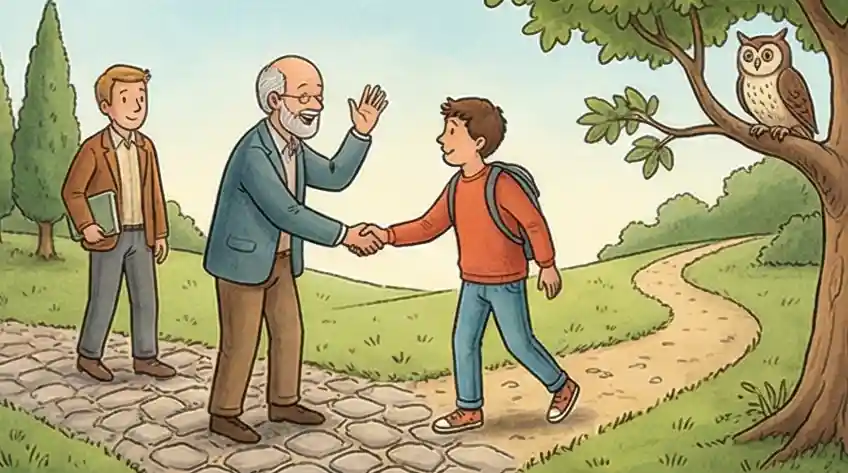
What You Should Remember: How to Get Better
The Change: From "I feel bad about leaving" (Beginner) to "We aren't getting much more out of this" (Expert).
What to do now: Check the reasons you started meeting. If you've done most of what you set out to do, plan a "Wrapping Up Talk" to celebrate what you achieved instead of keeping pointless meetings going.
The Change: From "Breaking up" (Beginner) to "Making the partnership better" (Expert).
What to do now: Suggest a change from frequent meetings to a "Simpler Way to Connect," like checking in once a year for a "Big Picture Talk" or just reaching out when you genuinely need advice.
The Change: From ignoring them or making weak excuses (Beginner) to being honest and truly thankful (Expert).
What to do now: Send a "Thank You Note" that clearly mentions three specific ways their advice changed your career path. Calling the end a "graduation" shows you value their help while clearly stating you are moving on.
The Change: From "Always being available" (Beginner) to "Carefully choosing my advisors" (Expert).
What to do now: Figure out exactly what this person was helping you with. Immediately use that time to find a new mentor or group that can help you with the next challenge you face, not the one you just finished.
The Change: From "Taking help" (Beginner) to "Being a helpful partner" (Expert).
What to do now: When you step back, offer something specific in return. Introduce them to a promising person in your network or offer to write a positive review for them. Change the relationship from one person teaching another to a partnership where you both help each other.
What Does It Mean to End a Mentorship Gracefully?
Ending a mentorship gracefully means closing the formal teaching relationship through a direct, grateful conversation while preserving the professional connection for the long term. Instead of ghosting or letting meetings fade into nothing, you acknowledge the value received, set a clear endpoint, and transition into a lighter peer relationship.
This matters because mentorships are not meant to last forever. According to research compiled by MentorcliQ (2025), employees who participate in mentoring programs are promoted five times more often than those who do not. Burning these bridges through an awkward fade-out puts real career capital at risk.
The Plan for Ending Relationships Nicely
The Relational Sunset Protocol is the smart way to step away from professional help when it's no longer useful. Most people just stop meeting up slowly. This looks bad, shows a lack of good leadership, and usually involves awkward, pointless meetings driven by guilt.
"A good mentoring relationship is as long as it should be and no longer."
Jodi Glickman, Author and Career Strategist, via Harvard Business Review
This common way of handling things is a trap that wastes time. It shows you don't respect the mentor's time and it damages the connection you want to keep. Organizations with mentoring programs see 72% retention among mentees compared to 49% for non-mentored employees, according to Deloitte research. Every connection you mishandle is lost institutional knowledge and a closed door.
Smart leaders treat these endings as planned steps.
The Three Smart Steps
- Step 1: Protect Your Name (For newer workers): Making sure you leave in a way that keeps your professional image safe.
- Step 2: Get the Most Out of Your Network (For managers): Getting your calendar time back so you can focus on new areas where you need help.
- Step 3: Turn it into a Partnership (For true experts): Changing the teaching relationship into a connection between equal partners.
This is not about ending a friendship; it is about updating the value of a key connection to help you in the long run, both socially and politically.
To do better than most people, you need to become a smart checker of how valuable things are.
Checklist: The Plan for Ending Relationships Nicely
| Factor | Bad Sign (The Usual Way / "Slow Fade") | Good Sign (Expert Level: Turning it into a Partnership) |
|---|---|---|
|
What Success Looks Like
|
Avoiding Awkwardness & Saving Time
Success means you stopped the regular meetings without a clear "breakup" talk. Value is seen as something one person takes (their time versus your time).
|
Proving Their Value
Success means you provide a final "Summary Note" showing exactly how much money or success their advice brought you. You make the mentor look good by showing they helped create a success story, proving you are their "Best Student."
|
|
Connections
|
Taking Information Only
The relationship only goes one way. Once you learn what you needed, the mentor becomes useless. You put them on a quiet contact list, treating them like an old book instead of someone still active.
|
Helping Each Other Out
The power balance changes from Teacher/Student to Partners. You start finding chances for the mentor (like new business deals or chances to speak) that they can't easily find on their own, making the "ending" the start of a fair exchange.
|
|
How You Talk
|
Making Vague Excuses
Saying things like "I have too much work" or "I don't want to take up your time." This shows you lack confidence and accidentally suggests that their advice isn't important anymore.
|
The "Graduation" Story
Clearly state that you are leaving because you met the goals you both agreed on. Use positive language like, "We hit the targets we set, and now I need to change how we work together to fit the new scale of my job," to turn the exit into a promotion for the relationship.
|
|
Long-term Plan
|
Saving Your Own Resources
The only goal is to stop meeting so you can find the next mentor. This creates a pattern of finding and dropping mentors that doesn't build any lasting good feelings, leaving you with weak professional ties.
|
Smart Use of Influence
The "exit" is moving them to a higher level of connection: from "Helpful Guide" (Daily Tasks) to "High-Level Advisor" (Big Picture Strategy). You set up a check-in every 6 to 12 months for important industry news, not personal problems.
|
What Leaders Should Know
- The Question Beginners Ask A new professional asks: "How do I stop meeting this person?"
- What Executives Focus On An executive asks: "How do I make sure this person will support me for the next twenty years?"
- The Key Idea The Good Signs mean you stop just managing the relationship and start building value. If ending the relationship doesn't make the mentor proud and invested in your future success, you didn't manage the end well—you just abandoned a connection.
The Basics (New Hires to Junior Roles)
When you are starting out, your main goal is Following the Rules. You are in a system where your reputation is the most important thing. If you don't leave properly, you ruin your professional image, which is a major failure. You must stick to strict guidelines to make sure the relationship ends without causing problems.
Rule: Start with a Formal Note
Start the exit process using a formal written way (Email or Chat). Rule: Talking only lacks proof. The system needs a written record to show the commitment is officially over, preventing claims that you ignored them or were rude.
Rule: Explain by Matching Goals
Only use "Goal Matching" as the reason for leaving. Say that your work direction has changed and is now different from the mentor's main skill. Rule: Criticizing their advice causes drama. Sticking to a technical goal mismatch keeps things calm and makes sure the record shows the split was a "change in direction," not a fight. If the relationship hit a rough patch first, you may want to read our guide on how to repair a damaged professional relationship before deciding to end it.
Rule: Set a Firm End Date
Pick a clear final date for your last meeting. Do not leave the timeline open. Rule: Open-ended endings create "Hidden Tasks"—relationships that use up your mind space and schedule without giving any results or growth. You need a clear end to free up your time and resources for what’s next.
The Pro (Mid-Level to Senior)
At this stage, the main question is not if you like each other, but how well you are using your time. Mid-level bosses know that a meeting that isn't helping you grow is slowing the business down. Ending it nicely means changing from "breaking up" to "making things work better."
Business Value: Check the Cost of Time
Judge the relationship by what it gives back for the time you spend. If meetings are just for complaining instead of planning big strategies, you are wasting high-value hours that should be used for making money or achieving main goals. End it nicely by saying you need to focus on a more important business goal.
Skill Level: Know When Experience Doesn't Match
A mentorship often ends because one person has gotten past the mentor’s level of knowledge. If a mentor is advising on a small problem while you face a huge one, the mismatch is about the situation, not the person. Move on by saying that you have finished learning the current "lessons" and now need a mentor who knows more about the next, bigger challenge.
Company Structure: Match the New Organization
If the reason you started meeting (like a specific team goal) no longer exists because the company was reorganized or changed strategy, keeping the meeting only creates isolated thinking. End the regular meetings by saying you need to line up your growth plan with the company’s new overall direction.
Mastery (Leader to Top Executive)
When you are a top leader, mentoring isn't about learning; it's about using powerful people smartly. To end a relationship at this level, you must stop thinking personally and start thinking about the whole organization’s efficiency. You aren't just "leaving" a mentor; you are reorganizing who you rely on for the best possible result for the company and for both of your reputations.
Smart Use of Political Power
Frame the change as keeping the mentor's "influence available." Top leaders know that a mentor who is too busy helping you with small details is less useful politically. By ending the set meetings, you show you respect their time and are smart about how you use their high-level influence, saving it for bigger company moves where their status matters most.
Matching Your Role's Focus (Growth vs. Safety)
Look at what your job needs right now. If your job has changed from "playing it safe and avoiding risks" (which your mentor might be good at) to "aggressively growing the market" (where they might not be active now), the relationship has stopped being helpful. End it by explaining this shift in company goals. This makes the split about business needs, not about the mentor’s skills.
Making It Permanent and Passing on Knowledge
Change the formal teaching relationship into a "Peer Partnership." The best way to leave at this level is to show that the mentor succeeded: you have moved from student to someone at their level. This keeps the relationship as a high-level connection, useful for future deals or joining boards, while removing the need for regular, scheduled meetings. Our guide on how to be a great mentee covers how to build this kind of credibility from the start.
Get Better at Ending Mentorships That Don't Fit Anymore with Cruit
To Get Clarity
Note-Taking ToolWrite down your past experiences clearly to create a professional summary of your progress before the final talk.
To Help Decide
Career Advice ToolThink through your choices in a safe place and write down exactly what you want to say when you change the relationship.
For Staying in Touch
Networking HelpGet templates that help you write the perfect message to keep the relationship good while you are stepping back.
FAQ: Ending a Mentorship
How do you end a mentorship without being rude?
Frame the ending as a graduation, not a breakup. Send a written message thanking your mentor for specific ways they helped you, explain that your goals have shifted, and suggest a lighter way to stay connected (like an annual check-in).
This shows respect for their time while clearly signaling the formal relationship is complete.
Will I lose access to my mentor's network if I stop meeting?
Not if you handle the transition well. The goal is to change the relationship status, not cut ties.
Switch from frequent learning meetings to infrequent, high-value strategy check-ins once or twice a year. This keeps the connection warm without the burden of pointless meetings, and saves your social credit for when you truly need a big favor or introduction.
Is it okay to end a mentorship with a senior leader?
Yes. Senior leaders understand calendar clutter better than anyone. They will respect a mentee who recognizes the current format is no longer the best use of their time more than one who keeps showing up unprepared.
Approaching them with a clear plan for how the relationship should evolve shows you have moved from needing help to managing your own career strategically.
When should you end a mentorship relationship?
End a mentorship when you have met the original goals you set together, when conversations feel repetitive or unfocused, when your career direction has shifted beyond your mentor's area of expertise, or when meetings have become an obligation rather than a source of growth.
These are signs the relationship has served its purpose, not signs of failure.
Can you turn a mentorship into a peer relationship?
This is the best possible outcome. Once you have grown past the teacher-student stage, offer something of value in return: introduce your mentor to someone in your network, share an industry opportunity they might miss, or write a recommendation for them.
This shifts the dynamic from one-way guidance to a mutual exchange between equals. For more on building these kinds of lasting connections, see our guide on turning a coffee chat into a lasting professional relationship.
Should you ghost a mentor instead of having the conversation?
No. Ghosting is the worst way to end a mentorship. It wastes the mentor's time, damages your professional reputation, and burns a bridge you might need later.
Research shows mentored employees are promoted five times more often (MentorcliQ, 2025), so the network you build through mentorships has real career value. A direct, grateful conversation takes 15 minutes and preserves years of goodwill.
Focus on what truly matters.
Knowing how to end a professional relationship well is what separates high-potential people from great leaders. The Relational Sunset Protocol replaces the awkward, relationship-damaging "fading away" with a smart, step-by-step way to manage your connections. You stop being someone who asks for advice and start being a planner who builds a network of key supporters.
Sign Up for CruitFurther Reading
How to Repair a Damaged Professional Relationship
How to Be a Great Mentee and Make the Most of Any Mentorship