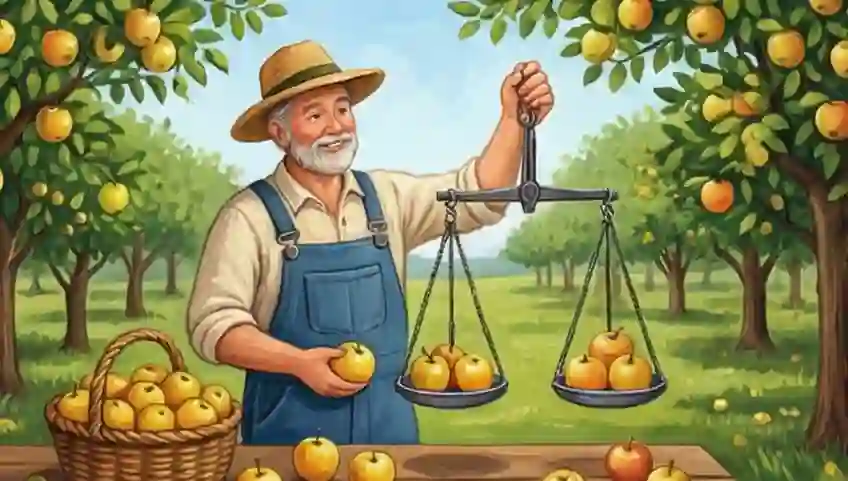
Key Points: The Logic of the Trust Difference
-
01
Stuck on Real Facts Only using Real Facts* (what is true now or in the past) builds strong trust but leads to *No Growth because you don't show any potential for the future that requires verification.
-
02
Risky Future Talk If the Trust Difference (how real you are versus how great you say you will be) is too big, people feel tricked. This causes "Reputation Loss" and they will reject you.
-
03
The Trust Path A small, manageable gap between your real self and what you aim for creates a "Trust Path." This makes it easier for people to follow because they see your future success as something that will surely happen based on your present.
-
04
How Computers See You AI tools like ChatGPT favor clear messages and consistent profiles. Brands that jump between being totally real and being super polished look like Confusing Signals, which lowers their "Dependability Score."
The Brand Balancing Act
Figuring out how much reality versus how much dream to show in your brand isn't just about style; it's a crucial way to weigh your worth in the market. Most people treat their personal brand as a simple choice: be "easy to like" or be "seen as important." They miss that every claim they make either builds up or tears down their value in the market. When you get this mix wrong, you aren't just pretending—you are burying your real skills under confusing information.
The main problem in branding today comes from the false idea of "Tell Everything." This is the easy choice to share every raw detail of your work process without thinking about the strategy. Treating a professional profile like a personal diary sends a hidden message of being average. Sharing too much about small problems doesn't build trust; it makes your audience work too hard to find out what you are actually good at.
The consequences are measurable. CareerBuilder research shows 70% of employers search social media when evaluating candidates, and 73% have rejected an applicant because of what they found. Your public profile isn't a personal diary — it's evidence that recruiters weigh against your application.
To fix the fight between being likable and being respected, you must control the Trust Difference: the space between the future you promise and the proof you actually have. This space is your most important guide. If it's too big, you end up owing people trust you can't deliver. If it's too small, you stop growing. The following guide shows you how to balance your brand so that your dreams act as a clear sign of the results you are ready to provide.
What Is the Ethics of Personal Branding?
The ethics of personal branding is the practice of presenting your professional identity truthfully while communicating genuine growth potential. It means closing the gap between what you claim and what you can prove, so your audience's trust is never borrowed against a future you haven't built yet.
Ethical personal branding sits between two failure modes: overstating credentials to seem more advanced than you are, and understating your trajectory to seem more relatable than you need to be. The goal is a reputation that holds up under scrutiny — one where your aspirational direction is clearly visible in your current work.
The Three Types of Influence
| Factor | The Relatable Realist | The Fancy Expert | The Smart Mix |
|---|---|---|---|
| What Grabs Attention | Trust through shared problems | Respect through top skill | Growth through shown results |
| Recruiter View | Easy to connect with; good team fit | Trusted expert; high-value person | Proven skill; shows future leadership |
| AI/Search Value | Social proof; lots of likes/shares | Expert in a specific area; uses key terms | Right for the job; deep, clear topics |
| Biggest Danger | Seen as average; sharing too much | Makes others feel distant; trying too hard | Losing trust if you can't keep up |
| Bottom Line | Best for broad connection; weaker for career advancement alone | Best for premium positioning; breaks when skills don't match the image | Best for long-term growth; requires consistent proof of progress |
The Logic of Personal Branding: Being Real vs. Aiming High
In building a personal brand, the Trust Difference is the key point of focus. It is the distance between what you say you will become (your future goal) and the real proof you have right now (your current facts). Managing this distance isn't just about looking good; it's about making smart choices regarding risk, trust, and how much the audience has to think.
Real Facts vs. Future Ideas: How Trust Works
Being Real vs. Aiming HighThe Way It Works
Being Real (Real Facts): Facts you can check, like past jobs or things that went wrong. Overusing these keeps you safe but causes No Growth because it shows you aren't moving forward.
The Response
Aiming High (Future Ideas): Ideas about the future (future status or skill) that show growth but make people think hard. If the Trust Difference is too large, people will feel tricked.
Speaking Up vs. Giving Advice: The Relationship Score
Loss of Trust & TrustThe Way It Works
Aiming High as Speaking Up: Uses big claims that grab attention fast. It builds up Reputation Loss by acting like you have future success right now if you can't back it up with current proof.
The Response
Being Real as Advice: Builds quick, friendly trust. Closing the Trust Difference completely leads to the "Tell Everything" Problem, which stops you from being seen as a leader.
Computer Checks vs. Human Feelings
System SpeedThe Way It Works
Computers want clear, strong signals. If you switch back and forth between messy reality and polished dreams, you send confusing data, which hurts your "Authority" rating.
The Response
People want to avoid being fooled. A small, manageable Trust Difference works like a "Trust Path," showing them that your real self is clearly moving toward your future goals. A 2026 Gitnux analysis found 82% of HR leaders consider brand authenticity critical for attracting top talent — humans and algorithms are scanning for the same signal.
The Right Balance
Good branding ethics aren't about "being yourself," but about making sure the Trust Difference is small enough that your actions can back it up. If you claim to be important without having the real facts to back it up, you are just floating around with no value. If you are only focused on being real without any future goals, you are stuck in one place. The goal is to have a gap that is big enough to attract people, but small enough that they can easily see how you will get there.
Checking Your Brand Types
The Relatable Realist: The Share Everything Person
The Plan: This approach relies on being seen as a friend by sharing personal struggles and being open. By acting like you are in the same boat, you make people feel safe and connected to you.
The Risk: You might look like an amateur who cares more about feelings than getting things done. If you share your mistakes but don't show how you fixed them quickly, you look like someone who can't handle responsibility.
Best For: Industries where people are tired of cold experts and value teamwork and emotional connection over pure technical skill.
The Aspirational Expert: The Top-Tier Expert
The Plan: This is about showing extreme skill and high status to become a premium choice. You don't ask for a place at the table; you build a brand so respected that companies feel they lose status if they don't hire you.
The Risk: You are one failure away from being seen as fake or over-the-top. If your work doesn't match your confident image, the market will quickly label you a fake expert and block you from serious jobs.
Best For: Fields where results are everything and reputation lets you charge much more than everyone else, like top consulting or rare tech skills.
The Smart Mix: The Carefully Planned Performer
The Plan: You manage your brand like a skilled public relations team. You create a "success story" that includes just enough real struggle to seem human, while making sure every lesson points back to your top results. It's a calculated image to please both the automatic scanners (AI) and the humans looking for leadership.
The Risk: You are building on borrowed trust that requires perfect results all the time. If people find out your "real" moments were just for show, you'll be seen as manipulative, destroying your ability to be trusted.
Best For: Aiming for top management roles where you need to show both "heart" for leading people and "toughness" for driving business results.
Ethics of Personal Branding: What to Do
1. The Steady Climber
GrowthWho you are: You are already established in your field and looking for a better job or promotion where people already know you.
2. The Big Change
ChangeWho you are: You are an expert in one area moving to a totally new field where you have no reputation. See how to position your experience in a new market: personal branding for career changers.
3. Starting Fresh
New/Re-entryWho you are: You just graduated, are switching careers with no experience, or are coming back to work after a long break.
Using Cruit for Accurate Branding
For Accuracy Resume Tailoring Tool
Helps you balance what you dream of becoming with what you actually are by guiding you to match your brand to the job needs.
For Being Consistent LinkedIn Profile Builder
Writes your professional story in a way that sounds like a person talking, making sure your public image matches what you wrote on your resume.
For Keeping Records Journaling Tool
Offers an AI Coach to help you write down experiences as they happen, building a searchable collection of proof of what you've done.
Common Questions
Does aspirational branding cause imposter syndrome?
Aiming high isn’t about lying; it’s about showing the future success you are working toward. If you only show where you are now, you limit how much you can earn. Imposter syndrome usually hits when you have no proof for your claims. To stop this, make sure your goals are a "next step" based on problems you are already able to solve, even if you haven’t done it on a large scale yet.
Is personal branding dishonest if you don’t share everything?
Trust comes from delivering results consistently, not from showing your behind-the-scenes work. Choosing what to share professionally isn’t hiding who you are — it’s being deliberate about what information serves your audience. Being relatable should help connect your skills to what people need, not become a place to dump small problems that make your audience search for your real value.
How do I know if my personal brand is overpromising?
Check your public promises against what you actually delivered in the last three months. If you are selling a future that requires skills or data you don’t yet have, you are borrowing trust that will eventually ruin your credibility. The best gap is wide enough to attract people to your future, but small enough that you can show a clear path from your reality to that future.
Can personal branding be authentic and strategic at the same time?
Yes. Strategic personal branding means choosing which true things to emphasize, not fabricating them. The most durable brands are built on real skills and genuine growth directions. Strategy helps you communicate them clearly — not manipulate them.
What happens to your reputation if your personal brand is misleading?
Reputation loss happens fast. When your claims outpace your evidence, peers, recruiters, and colleagues downgrade their trust. The damage compounds: once labeled as someone who overstates, you need substantially more proof to earn back even partial credibility.
Focus on what matters.
Your final mix of reality and dreams is more than just words for your profile; it’s your first real example of your professional judgment — showing you know how to separate important signals from noise. Following the "Tell Everything" approach might feel safe now, but it creates a confusing image that hides your true value. When the Trust Difference is managed well, your aspirations pull people toward your future. Your real achievements keep that position anchored.
Use Cruit Now