The Cruit Difference: Why Brainstorming Beats Memorizing for Interviews
The Cruit Difference: Why Brainstorming Beats Memorizing for Interviews
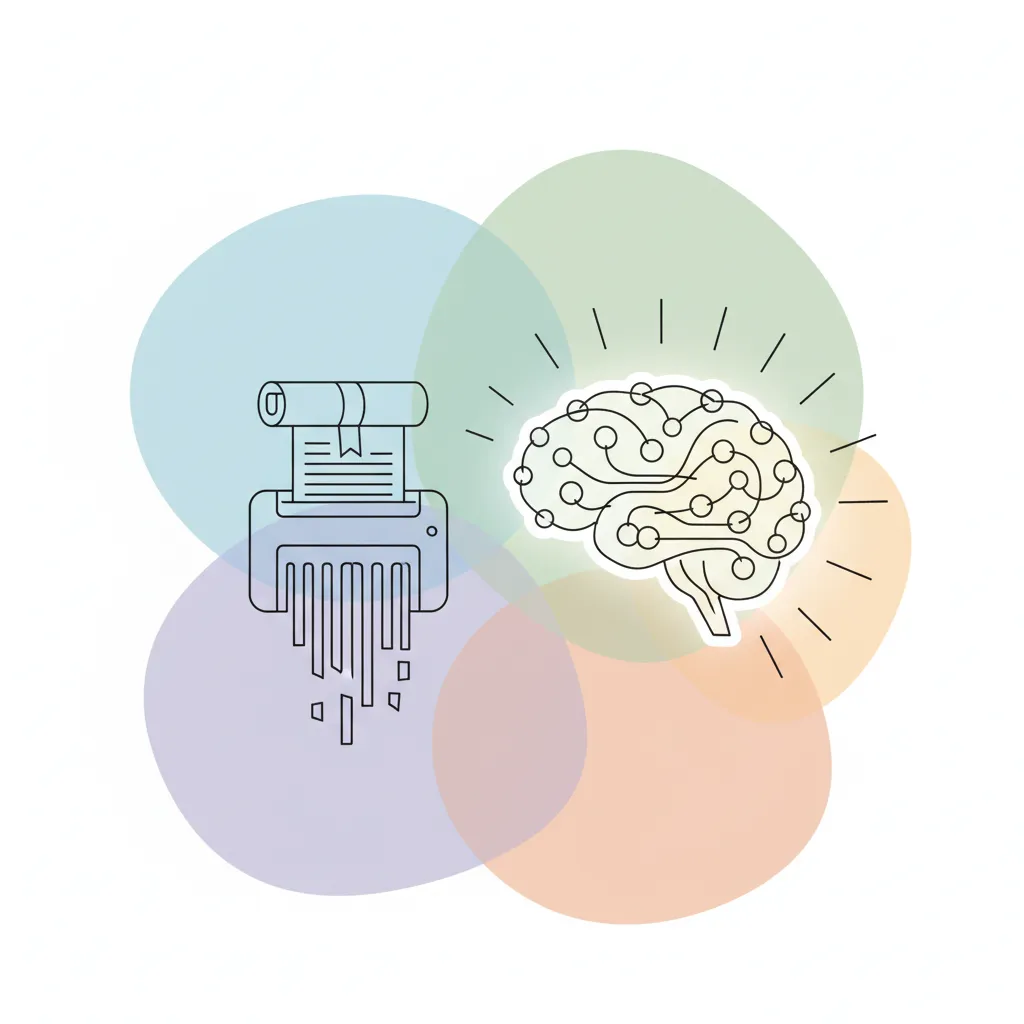
Memorizing interview answers creates robotic, inflexible responses that fail under pressure. Brainstorming your career stories, however, builds a flexible arsenal of compelling examples, allowing you to answer any question with authentic confidence. This strategic approach is critical for connecting with interviewers and showcasing your true value.
Why Memorizing Interview Answers Fails
Relying on memorized scripts makes it impossible to adapt to an interviewer's follow-up questions. It often sounds rehearsed and can cause you to freeze if you forget a single line, shattering your credibility.
Brainstorming, in contrast, focuses on understanding the core components of your professional stories. This allows for a natural, conversational delivery that builds rapport and demonstrates genuine competence.
| Approach | Memorization | Brainstorming |
|---|---|---|
| Flexibility | Rigid and inflexible | Adaptable to any question |
| Authenticity | Sounds robotic and rehearsed | Conversational and genuine |
| Confidence | Fragile; breaks under pressure | Resilient; builds true self-assurance |
| Outcome | Fails to connect with the interviewer | Builds rapport and showcases value |
What is the STAR Method?
The STAR Method is a structured framework for answering behavioral interview questions. It is a powerful tool for storytelling that was popularized by development and training consultancies. It helps you provide a clear, concise, and impactful narrative of your accomplishments.
It breaks your answer into four key parts:
- Situation: Briefly describe the context. Where and when did this happen?
- Task: Explain the specific task or challenge you were facing.
- Action: Detail the specific actions you took to address the task.
- Result: Quantify the outcome. What was the positive result of your actions?
How to Brainstorm Interview Answers Effectively
Effective brainstorming isn't about writing a full script. It's about deconstructing your experiences into memorable, high-impact bullet points that you can assemble into a story on the fly.
Start by listing your key projects and accomplishments from each role. This creates your raw material.
For each accomplishment, break it down using the STAR method. Focus on identifying the core challenge, the specific actions you took, and the measurable results you achieved.
Practice telling these stories out loud, not to memorize them, but to get comfortable with the narrative flow. This builds muscle memory for authentic storytelling.
Building Your Personal Story Bank
A story bank is a collection of your most powerful professional experiences, cataloged and ready to be used in interviews, networking conversations, or performance reviews.
Organize your stories by the skills they demonstrate, such as "Leadership," "Problem-Solving," or "Data Analysis."
Review and update your story bank regularly. As you complete new projects, add them to your collection to keep your examples fresh and relevant. According to career experts at LinkedIn, having specific examples ready is a key differentiator.
How Cruit's Interview Prep Module Transforms Your Approach
Cruit moves you beyond rote memorization and empowers you to become a master storyteller. It's designed to facilitate a strategic brainstorming process, not to provide scripts.
The AI coach analyzes the specific job you're targeting and generates a list of likely behavioral questions, giving your brainstorming a clear focus.
It then becomes your interactive partner, helping you identify compelling examples from your past and guiding you to structure them using the STAR method for maximum impact.
The module acts as a patient sounding board, letting you practice your delivery and receive feedback. It even poses potential follow-up questions to prepare you for a real conversation.
Finally, you can create digital flashcards of your key talking points—not full paragraphs. This powerful tool helps you internalize your stories, ensuring a natural, confident delivery when it matters most.
Interview Brainstorming FAQ
How do I start brainstorming for an interview?
Begin by reviewing the job description to identify the key required skills. Then, list accomplishments from your resume that demonstrate those specific skills.
What if I can't think of any good examples?
Use Cruit's AI coach to help you unpack your experiences. By asking insightful questions about your past roles, it can help you uncover powerful examples you may have overlooked.
Is it okay to pause and think during an interview?
Absolutely. Taking a brief moment to collect your thoughts shows you are a thoughtful and deliberate candidate. It is far better than rushing into a poorly constructed answer.
How do I quantify my results?
Focus on metrics. Think in terms of percentages, dollar amounts, time saved, or units produced. For example, "Increased efficiency by 15%" or "Managed a $50,000 project budget."
This guide was created by Cruit, a career growth platform that helps professionals build and execute their career strategy.