How to Choose the Right Keywords to Define Your Professional Identity
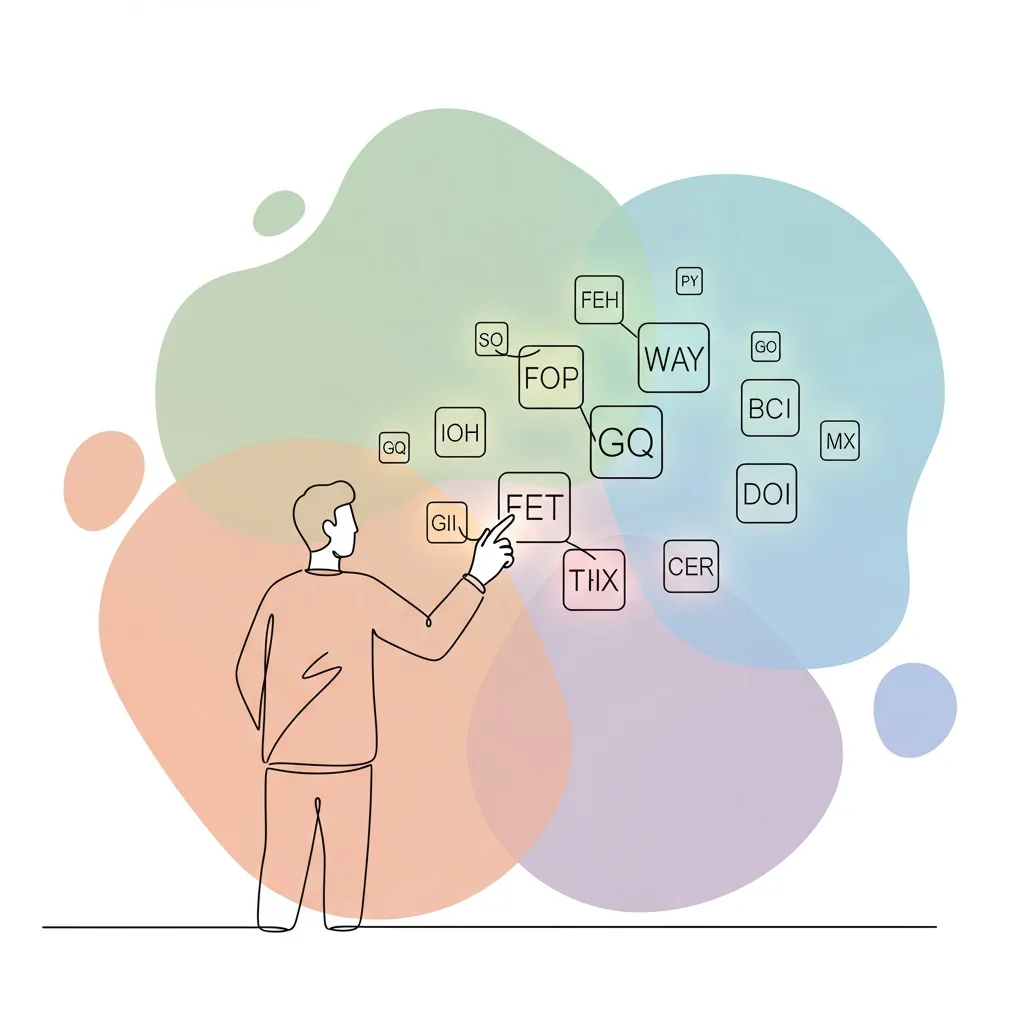
How to Choose the Right Keywords to Define Your Professional Identity
Keywords are the essential language of the modern job search. They are the specific terms that recruiters and Applicant Tracking Systems (ATS) use to discover qualified candidates. Mastering your professional keywords is the first step to ensuring your resume and online profiles are visible to the right people at the right time.
What Are Professional Keywords and Why Do They Matter?
Professional keywords are nouns and short phrases that describe your skills, qualifications, and industry-specific experience. They are the building blocks of your professional brand.
Recruiters use these terms in their searches on platforms like LinkedIn. More importantly, they are critical for passing the initial screening by an ATS.
Applicant Tracking System (ATS): This is software used by companies to manage job applications. It scans resumes for specific keywords to filter and rank candidates, determining who gets seen by a human hiring manager.
Without the right keywords, your application may never reach human eyes, no matter how qualified you are.
How to Find Your Core Professional Keywords
Identifying your most impactful keywords is a strategic process. It requires looking outward at your target roles and inward at your own experience.
Step 1: Analyze Target Job Descriptions Review 5-10 job descriptions for the role you want. Copy and paste them into a word cloud tool or a simple document and identify the skills, technologies, and qualifications that appear most frequently.
Step 2: Consult Industry Resources Websites like the U.S. Department of Labor's O*NET OnLine provide comprehensive details on occupations, including the key tasks, technologies, and skills required. This is a goldmine for standardized, industry-recognized language.
Step 3: Audit Your Accomplishments List your key achievements and projects. For each one, identify the skills you used to succeed. These are your evidence-backed keywords.
FAQ: Keyword Strategy
What is the difference between hard and soft skills?
Hard skills are teachable, technical abilities (e.g., Python, SEO, Financial Modeling). Soft skills are interpersonal attributes (e.g., Communication, Leadership, Problem-Solving). You need a strong mix of both.
How many keywords should I use on my resume?
Focus on quality over quantity. Integrate 10-15 core keywords relevant to your target role naturally throughout your resume, prioritizing those that appear in the job description.
Should I just copy and paste keywords?
No. While you must include keywords from the job description, you should weave them into bullet points that describe your actual accomplishments. Authenticity is key.
Where to Use Your Keywords for Maximum Impact
Once you have your list of core keywords, you must strategically place them across your professional assets. Consistency is crucial for building a strong, recognizable brand.
Your Resume Include keywords in your headline/title, professional summary, skills section, and, most importantly, within your work experience bullet points.
Your LinkedIn Profile Your LinkedIn Headline is prime real estate. Also, use keywords throughout your "About" section, experience descriptions, and the "Skills" section.
Your Cover Letter Mirror the language of the job description in your cover letter to show a direct alignment between your qualifications and the company's needs.
| Generic Phrasing | Keyword-Optimized Phrasing |
|---|---|
| "Responsible for team" | "Leadership of a 5-person cross-functional team" |
| "Good with data" | "Data Analysis using SQL and Tableau" |
| "Improved the process" | "Process Optimization leading to a 15% efficiency gain" |
How Cruit Pinpoints Your Perfect Keywords
Cruit is designed to eliminate the guesswork and help you master the language of your industry. Several features act as your keyword co-pilot.
The Resume Tailoring Module meticulously scans a job description and your resume to identify the crucial keywords, core competencies, and industry jargon that both hiring managers and ATS look for. An AI assistant then engages you in a conversation to help uncover and articulate relevant skills you already possess but may have overlooked.
Cruit's Job Analysis Module provides a data-backed edge. It performs a deep analysis of a job description against your resume, going beyond simple keyword matching to give you a clear breakdown of "Matching Skills" and "Skill Gaps," allowing you to strategically strengthen your profile.
Finally, the LinkedIn Profile Generator crafts a compelling, keyword-rich narrative for your profile. It intelligently identifies and showcases your most relevant skills and impactful achievements, ensuring your profile speaks directly to recruiters searching for your expertise.
This guide was created by Cruit, a career growth platform that helps professionals build and execute their career strategy.