Researching Company Culture: 7 Things to Look for Before You Apply
Researching Company Culture: 7 Things to Look for Before You Apply
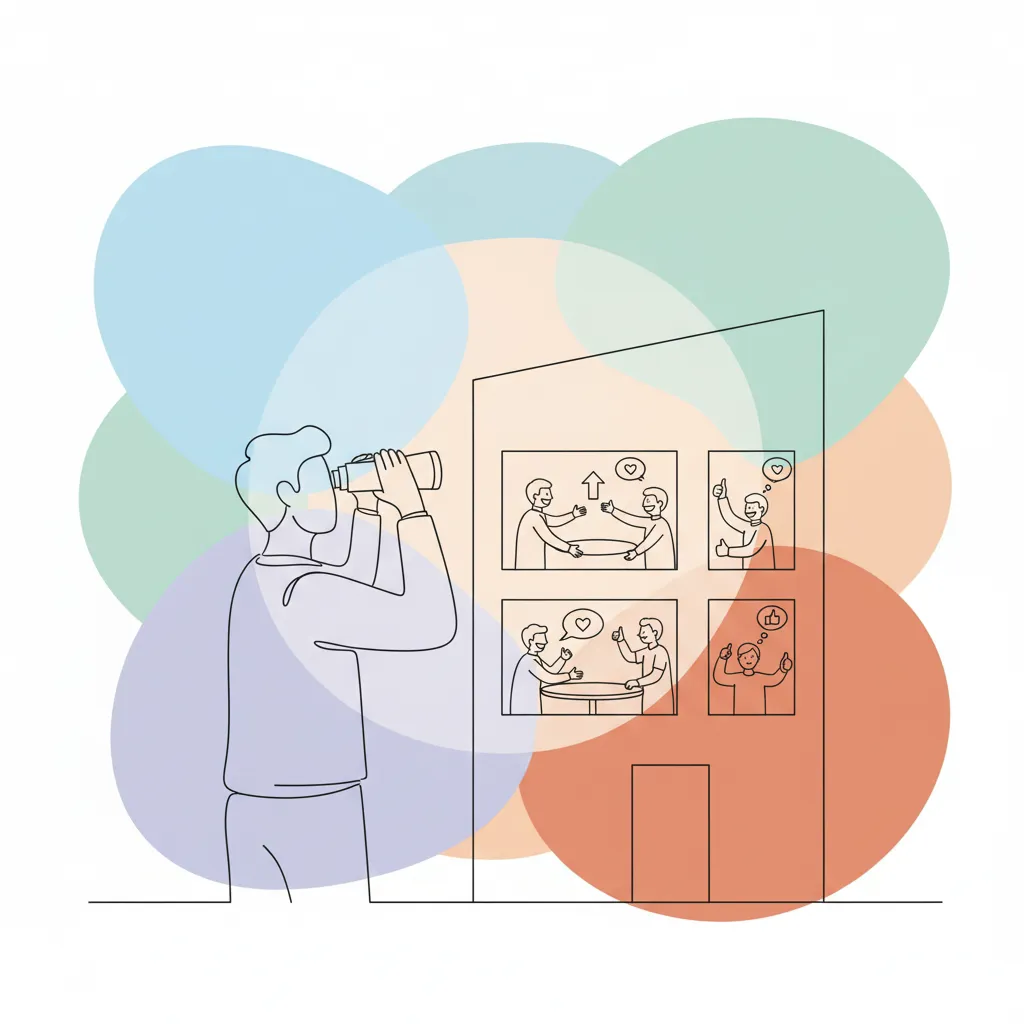
Evaluating a company's culture is as crucial as analyzing the job description itself. A toxic or misaligned culture can lead to burnout and dissatisfaction, regardless of the role. This guide outlines seven critical areas to investigate to ensure a company is the right long-term fit for your career.
1. Decode the Leadership's Communication Style
The way leaders communicate sets the tone for the entire organization. Look for transparency, clarity, and empathy in their messaging.
Observe how executives talk about challenges and successes in interviews, earnings calls, or on social media platforms like LinkedIn. This provides unfiltered insight into what they truly value.
Key Term: Psychological Safety refers to an environment where employees feel safe to take risks, voice concerns, and make mistakes without fear of punishment. This is a direct outcome of healthy leadership communication.
2. Investigate Work-Life Balance Policies
True work-life balance is more than just a company perk; it's a core cultural value. Go beyond stated policies and look for evidence of how they are practiced.
Look for policies on flexible hours, remote work options, and paid time off. Check reviews on sites like Glassdoor to see if employees feel pressured to work long hours despite flexible policies.
Key Term: Asynchronous Communication is a workflow where team members communicate without the expectation of an immediate response. This is a hallmark of cultures that respect personal time and different time zones.
3. Assess Opportunities for Professional Growth
A company that invests in its employees' growth is a company that values its people. This is a strong indicator of a positive and forward-thinking culture.
Look for defined career paths, mentorship programs, and tuition reimbursement policies. A lack of clear growth opportunities can signal a stagnant environment.
4. Observe How Teams Actually Collaborate
The tools and processes a company uses for collaboration reveal its cultural priorities. Do they prioritize individual contributions or integrated team success?
Check if the company relies on highly collaborative tools (like Slack, Asana) versus more siloed methods. During interviews, ask how cross-functional projects are managed.
5. Verify That Stated Values Are Lived Values
Many companies list inspiring values on their career page. The key is to determine if these are just words on a wall or principles that guide daily decisions.
Cross-reference a company's stated values with employee reviews and news articles. Look for concrete examples of the values being put into action.
| Stated Value | Observed Behavior (What to Look For) |
|---|---|
| "Innovation" | Does the company have hackathons? Do they reward experimentation? |
| "Integrity" | How did leadership respond to a past crisis or public mistake? |
| "Customer-Centric" | Are customer success stories and feedback celebrated internally? |
6. Understand How Success is Recognized and Rewarded
How a company celebrates achievements reveals what behaviors it truly encourages. Is recognition public or private? Is it tied to individual heroics or team wins?
This provides clues about whether the culture is competitive or collaborative. Ask about performance review cycles and criteria for promotion.
7. Examine Their Commitment to Diversity, Equity, and Inclusion (DEI)
A genuine commitment to DEI is a powerful sign of a healthy, modern workplace culture. Look for concrete actions, not just statements.
Investigate the diversity of the leadership team, the presence of Employee Resource Groups (ERGs), and any public diversity reports. Resources like Comparably often provide employee-sourced data on this.
Frequently Asked Questions About Company Culture Research
How can I find information on a company's culture?
Start with the company's career page, then validate what you find on third-party review sites like Glassdoor and Comparably. Use LinkedIn to find current or former employees and review their posts and career trajectories.
What are major red flags in company culture?
High employee turnover rates, consistently negative reviews mentioning micromanagement, a lack of transparency from leadership, and vague answers to your culture-related interview questions are all significant red flags.
What questions should I ask an interviewer about culture?
Ask "Can you describe a time the team had to work together to overcome a major challenge?" or "How does the company handle feedback and differing opinions?" Their answers will be far more revealing than "What's the culture like?"
How Cruit Helps You Understand Company Fit
Researching culture is a critical step, and Cruit provides the tools to do it strategically.
- Networking: Use Cruit’s AI-powered Networking Guide to draft personalized, professional messages to a company's current employees on LinkedIn. Ask them directly about their experience with the team dynamics and leadership style.
- Interview Prep Module: The AI coach helps you prepare your own story and also helps you formulate insightful questions to ask your interviewers. You can specifically practice asking tough questions about culture, growth, and work-life balance.
- Job Analysis Module: Before you even apply, Cruit's analysis can reveal cultural cues within the job description itself. It highlights keywords related to collaboration, autonomy, or pace, giving you an initial read on the company's priorities.
This guide was created by Cruit, a career growth platform that helps professionals build and execute their career strategy.