Upskilling vs. Reskilling: What's the Difference and Which Do You Need?
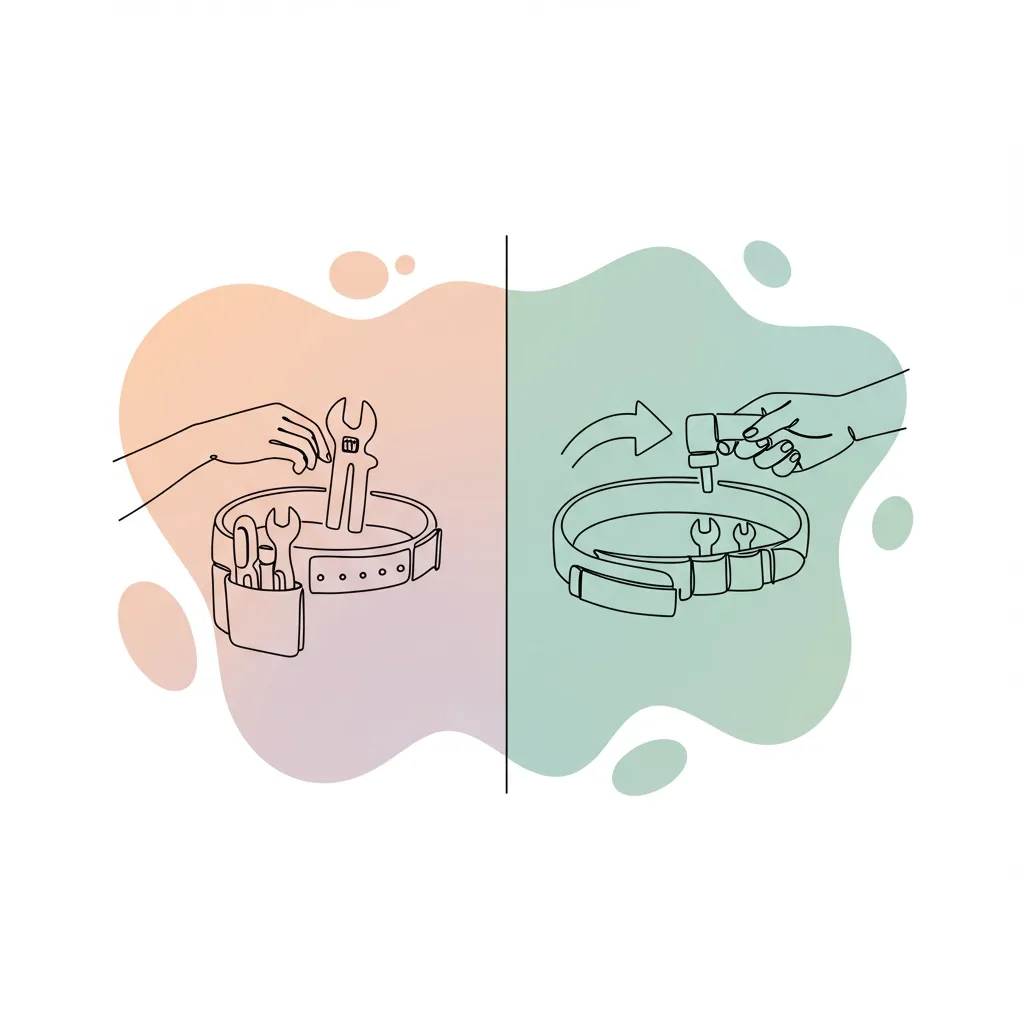
Upskilling vs. Reskilling: What's the Difference and Which Do You Need?
Understanding the difference between upskilling and reskilling is critical for strategic career growth. Upskilling enhances your current skills to excel in your role, while reskilling teaches you new skills for a different role. This distinction helps you proactively manage your career in a changing job market.
What is Upskilling?
Upskilling is the process of learning new, advanced skills to improve your performance in your current job or career track. It's about building on what you already know.
The goal of upskilling is vertical growth. You aim to become more proficient, take on more responsibility, and potentially move into a senior position within your existing field.
For example, a digital marketer learning advanced data analytics on a platform like Coursera to better measure campaign ROI is upskilling.
Mini-definition: Hard Skills are teachable, quantifiable abilities or skill sets, such as coding, graphic design, or financial modeling. Upskilling often focuses on these.
What is Reskilling?
Reskilling involves learning entirely new skills to transition into a new role, function, or industry. It's about preparing for a different job.
The goal of reskilling is lateral or transitional growth. You are adapting to technological changes or pursuing a completely new career path that better aligns with your interests.
For instance, a retail manager who learns to code to become a software developer is reskilling. They are acquiring a new foundation for a different career.
Mini-definition: Transferable Skills are abilities like communication, problem-solving, and leadership that are valuable across different jobs. Reskilling relies heavily on leveraging these.
Upskilling vs. Reskilling: A Direct Comparison
This table breaks down the core differences between the two concepts to help you quickly understand their distinct purposes and outcomes.
| Aspect | Upskilling | Reskilling |
|---|---|---|
| Goal | To improve in your current role. | To move into a new role. |
| Focus | Deepening an existing skillset. | Acquiring a brand-new skillset. |
| Outcome | Enhanced performance, promotion. | Career change, new job function. |
| Example | An accountant learns new tax software. | An accountant learns data science. |
How to Decide if You Need to Upskill or Reskill
Your choice depends entirely on your career goals and the trends affecting your industry, as highlighted in reports like the World Economic Forum's Future of Jobs Report.
Choose to upskill if you are passionate about your current field, want to advance, and need to keep pace with new technologies or methodologies in your role.
Choose to reskill if you are unfulfilled in your current career, if your job is at risk of automation, or if you want to transition into a high-growth industry.
Frequently Asked Questions About Skills Development
### When is upskilling the right choice?
Upskilling is the right choice when you want to grow vertically in your career. It's for professionals aiming for a promotion, a raise, or mastery within their current field.
### When should I consider reskilling?
You should consider reskilling when you need to make a significant career pivot. This is crucial if your industry is declining or if you are seeking fundamentally different work.
### How can I identify my skill gaps?
Identify skill gaps by analyzing job descriptions for roles you desire. Use skills assessment tools on platforms like LinkedIn Learning and ask for direct feedback from mentors or managers.
How Cruit Helps You Upskill and Reskill Strategically
Cruit's AI-powered suite provides the clarity and tools you need to build a targeted skills development plan, whether you're upskilling or reskilling.
Cruit's Job Analysis Module is perfect for upskilling. It analyzes a job description against your resume, instantly identifying "Skill Gaps" and suggesting corrective actions like online courses or projects to make you a more competitive candidate.
For reskilling, the Career Exploration Module is your strategist. It analyzes your transferable skills and recommends alternative career paths where you would be a strong fit, giving you a data-backed vision for a potential career change.
The Career Guidance Module acts as your AI mentor. It helps you build a SMART goal and a personalized roadmap, asking thoughtful questions to help you create a concrete action plan for either upskilling or reskilling.
This guide was created by Cruit, a career growth platform that helps professionals build and execute their career strategy.