From Hard Skills to Soft Skills: Why Emotional Intelligence is Your Biggest Career Asset
From Hard Skills to Soft Skills: Why Emotional Intelligence is Your Biggest Career Asset
Technical skills (hard skills) are the price of entry for most professional roles. However, long-term career advancement, leadership potential, and professional fulfillment are driven by emotional intelligence (soft skills), a critical asset for navigating the modern workplace and building a resilient career.
What is Emotional Intelligence in the Workplace?
Mini-definition: Emotional Intelligence (EQ) is the ability to perceive, understand, manage, and use emotions to communicate effectively, empathize with others, overcome challenges, and defuse conflict.
Pioneered by researchers like Peter Salovey and John Mayer and popularized by psychologist Daniel Goleman, EQ is now recognized as a primary indicator of workplace performance and leadership effectiveness. It is the core of how we collaborate and influence.
Why is Emotional Intelligence More Important Than IQ for Career Success?
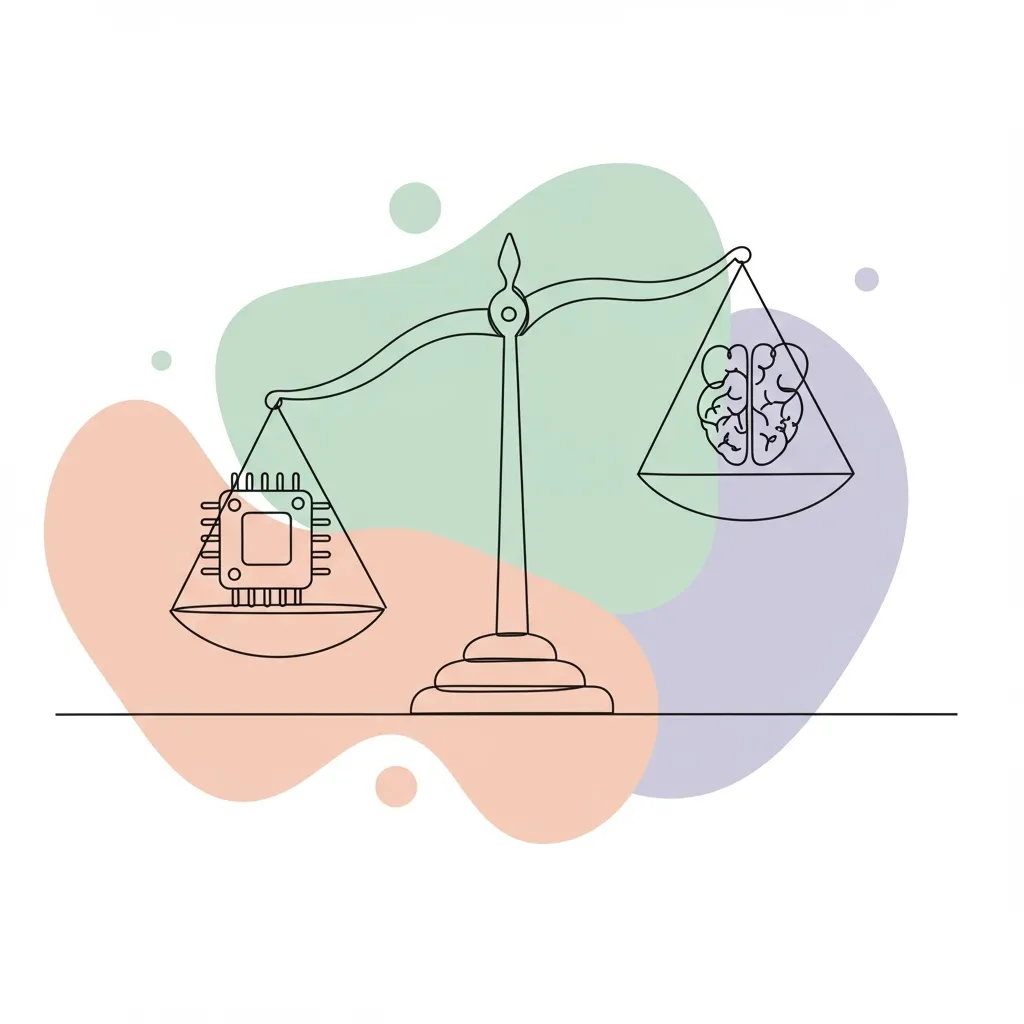
While Intelligence Quotient (IQ) measures your cognitive ability, EQ measures your ability to manage yourself and your relationships. High IQ might help you solve a complex technical problem, but high EQ helps you lead the team that solves it.
Many studies, including those published in Harvard Business Review, have shown that EQ is a better predictor of success in senior roles than IQ or technical expertise.
| Feature | Intelligence Quotient (IQ) | Emotional Intelligence (EQ) |
|---|---|---|
| Focus | Logic, reasoning, data analysis | Empathy, communication, self-awareness |
| Impact | Solves technical problems | Builds relationships, leads teams, inspires trust |
| Career Stage | Crucial for entry-level, technical roles | Essential for leadership and senior roles |
How Does High Emotional Intelligence Manifest in a Leader?
Leaders with high EQ don't just manage tasks; they inspire and motivate people. They can read the room, understand unspoken concerns, and build psychologically safe teams where people feel valued.
This manifests in key leadership behaviors: giving constructive feedback gracefully, navigating office politics effectively, and making decisions that consider the human impact on the team.
How to Develop Your Emotional Intelligence
Developing EQ is an active, ongoing process. Unlike IQ, which is relatively stable, emotional intelligence can be significantly improved with conscious effort.
Start by practicing self-reflection. After a stressful meeting, take five minutes to identify the specific emotions you felt and what triggered them. This builds self-awareness.
Actively solicit feedback from trusted colleagues on your communication style. Ask questions like, "How did my comments in that meeting land with you?" to understand your impact on others.
FAQ: Improving Your Career with Emotional Intelligence
What are the key components of emotional intelligence?
Daniel Goleman identified five core components of EQ:
- Self-Awareness: Knowing your emotions, strengths, and weaknesses and their effect on others.
- Self-Regulation: Controlling or redirecting disruptive emotions and impulses.
- Motivation: A passion for work that goes beyond money or status.
- Empathy: The ability to understand the emotional makeup of other people.
- Social Skill: Proficiency in managing relationships and building networks.
How can I measure my emotional intelligence?
While formal assessments like the Mayer-Salovey-Caruso Emotional Intelligence Test (MSCEIT) exist, a more practical approach is to seek 360-degree feedback from managers, peers, and direct reports. This provides real-world data on how your actions are perceived.
Can emotional intelligence be learned?
Absolutely. EQ is a flexible set of skills that can be acquired and improved with practice. The first step is acknowledging its importance and committing to a practice of self-assessment and mindful interaction.
How Cruit Helps You Develop Career-Critical Soft Skills
Cruit is a career growth platform designed to help you develop both the hard and soft skills necessary for advancement. Our tools provide a structured way to build your emotional intelligence.
The Journalling module acts as a private sanctuary for professional reflection. Use our AI Journaling Coach to unpack challenging situations, understand your emotional triggers, and identify patterns in your behavior, turning daily events into powerful lessons.
With the Career Guidance module, you get an on-demand mentor to explore complex topics like "How can I improve my emotional intelligence at work?" or "How do I handle unfair feedback?" The confidential, Socratic conversations help you build the self-awareness and practical strategies that are the foundation of EQ.
This guide was created by Cruit, a career growth platform that helps professionals build and execute their career strategy.